How to Get Rid of Mice Humanely: 7 Safe Methods
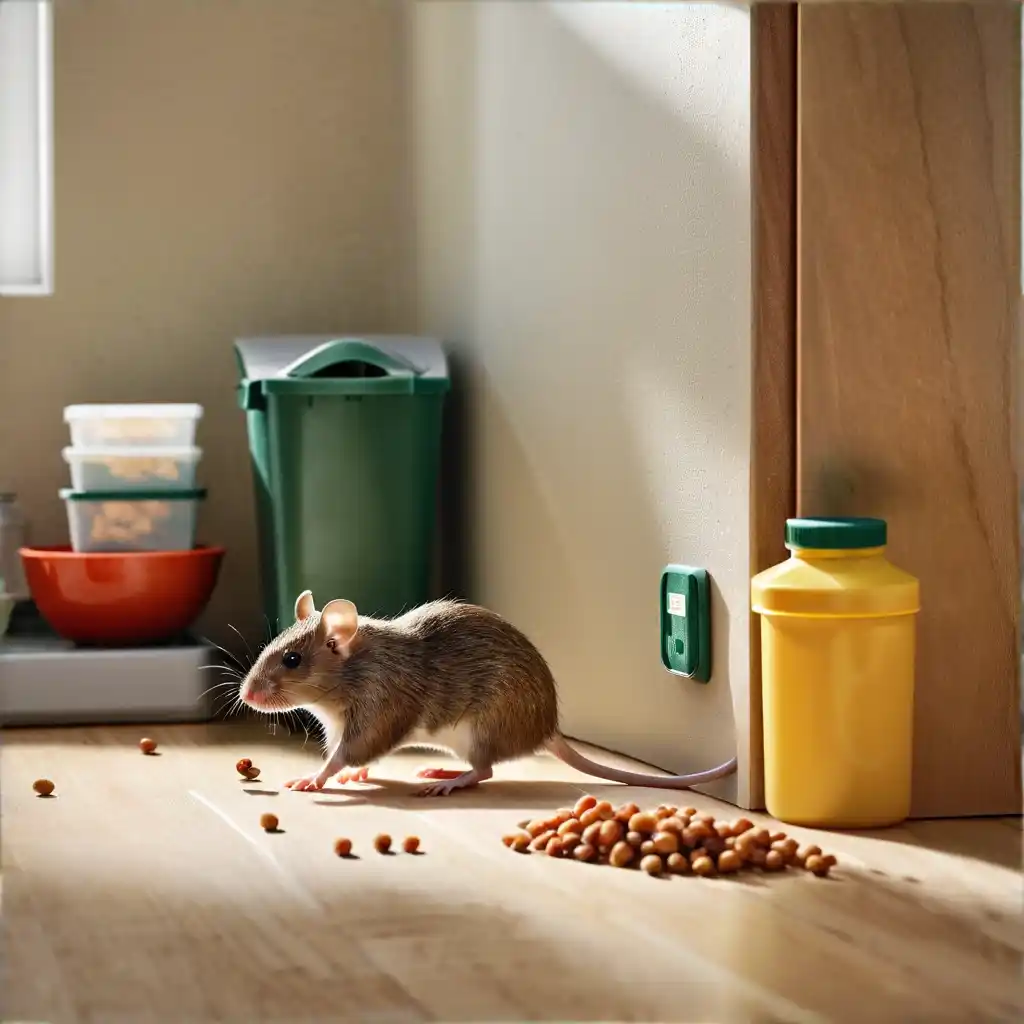
If you are looking for how to get rid of mice humanely, you can use several practical methods that avoid unnecessary harm. The best approach is to prevent mice from entering your home, remove food and water sources, and use careful control methods when mice are already inside.
Humane mouse control is not about using one special product. It is about reducing the reasons mice stay in your home while dealing with the problem in a safe and responsible way.
In this guide, you will learn how to get rid of mice humanely with seven practical methods and how to reduce the chance that mice come back.
For a complete overview of mouse prevention and removal, read our Mouse Pest Control: How to Prevent and Get Rid of Mice guide.
What Does Humane Mouse Control Mean?
Humane mouse control means trying to solve a mouse problem while reducing unnecessary harm and stress.
The process usually starts with prevention. If mice cannot enter your home and cannot find easy food or water, they have fewer reasons to stay.
When mice are already inside, you can use traps and other control methods with care. However, no method is perfect. Even live-catch traps can cause stress, and releasing a mouse far from its home may create other problems for the animal.
For this reason, learning how to get rid of mice humanely means looking at the whole problem instead of relying on one product.
1. Seal Mouse Entry Points
One of the most useful ways to control mice is to stop new mice from entering your home.
Mice can fit through very small openings. A gap around a pipe, door, vent, or foundation can become an entry point.
Check these areas carefully:
- Around plumbing pipes
- Under doors
- Around windows
- Around vents
- Near the foundation
- Around utility lines
- Behind appliances
- Inside cabinets
- Around garage doors
- Near the roof and attic
Look for holes, cracks, gaps, and damaged screens.
Small openings can often be sealed with suitable materials such as steel wool combined with caulk. Larger openings may need a stronger repair.
For more prevention tips, read How to Keep Mice Out of Your House.
Why sealing mouse entry points matters
Removing one mouse does not solve the main problem if other mice can enter.
A sealed home makes it harder for mice to get inside again.
This is one of the most important parts of a humane mouse-control plan because prevention reduces the need for traps or other removal methods.
2. Remove Food and Water Sources
Mice stay where they can find food, water, and shelter.
You do not need to leave a bowl of food on the floor to attract mice. Small food sources can be enough.
Common sources include:
- Crumbs
- Pet food
- Open cereal boxes
- Bread
- Seeds
- Nuts
- Trash
- Food left on counters
- Spilled drinks
- Leaking pipes
- Pet water bowls

Keep food in sealed containers. Clean crumbs and spills as soon as possible.
Do not forget about pet food. If your pet has food available all night, mice may also have easy access to it.
Fix water leaks and clean areas where moisture collects.
If you want to learn more about the reasons mice enter homes, read What Attracts Mice?.
Removing these food and water sources makes your home less attractive to mice and supports other humane control methods.
3. Use Mouse Traps Responsibly
If mice are already inside, traps can help reduce the problem.
Some homeowners prefer traps because they do not leave poison inside walls or other hidden places.
If you use a trap, place it where mice are likely to travel. Mice often move along walls and other edges instead of crossing large open areas.
Good locations can include:
- Along walls
- Behind appliances
- Near cabinets
- Near signs of mouse activity
- Close to entry points
- Near areas where food is stored
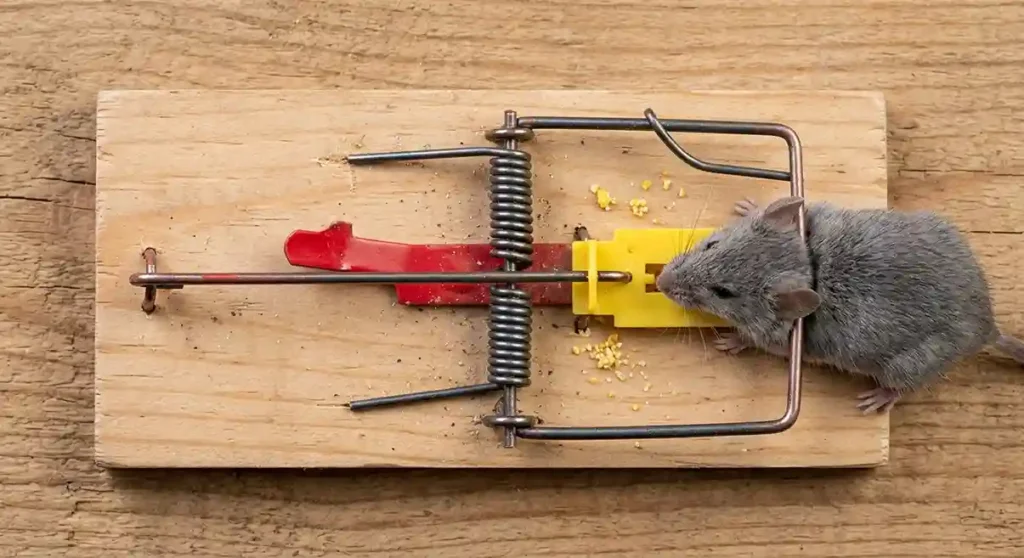
Check traps regularly and follow the instructions that come with the product.
Keep traps away from children and pets.
What about snap traps?
A properly used snap trap can kill a mouse quickly. However, it still needs to be used carefully.
Choose a suitable trap and place it correctly. A badly placed trap may fail to catch the mouse or may cause injury without killing it quickly.
If your goal is how to get rid of mice humanely, correct trap placement and regular checking are important.
If you plan to use several traps, our future guide Where to Put Mouse Traps will cover trap placement in more detail.
4. Consider Live-Catch Traps Carefully
Live-catch traps can catch mice without killing them immediately.
They may seem like the obvious answer when learning how to get rid of mice humanely, but catching a mouse is only one part of the process.
A trapped mouse can become stressed if it stays inside the trap for too long. It can also be exposed to heat, cold, predators, or a lack of food and water.
If you use a live-catch trap:
- Check it often.
- Keep it away from extreme temperatures.
- Follow local rules.
- Do not leave a mouse trapped for long periods.
- Handle the trap carefully.
- Have a plan for what happens after capture.
Relocating a mouse far from your home is not always a safe solution. A mouse may have trouble finding food, water, and shelter in an unfamiliar area.
So, live trapping is not automatically humane in every situation. The way the trap is used and what happens after capture both matter.
5. Can Ultrasonic Devices Help Get Rid of Mice?
Ultrasonic mouse repellers are devices that produce high-frequency sounds.
They are often sold as an easy way to make mice leave a home.
However, you should not depend on these devices as your main mouse-control method.
Results can vary, and an ultrasonic device does not fix the reason mice entered your home.
If mice have access to food, water, shelter, and entry points, simply adding a device may not solve the problem.
If you want to try one, use it as a supporting method. At the same time, seal entry points and remove food sources.
6. Do Natural Mouse Repellents Help Get Rid of Mice?
Many homeowners look for natural ways to keep mice away.
Common examples include:
- Peppermint oil
- Cedar
- Cinnamon
- Clove oil
- Lavender
- Vinegar
- Eucalyptus oil
Some strong smells may make an area less attractive to mice for a short time. However, natural repellents should not be treated as a complete solution.
A mouse that has a safe nesting place and easy access to food may not leave simply because of a smell.
This is why natural repellents work best as a supporting method.
For a larger list of scents used against mice, read What Smells Do Mice Hate?.
You can also learn more about specific repellents:
- Does Cedar Repel Mice?
- Does Bergamot Repel Mice?
- Does Vinegar Deter Mice?
- Does Lavender Repel Mice?
- Does Ammonia Repel Mice?
- Does Eucalyptus Oil Repel Mice?
- Do Mice Like Cayenne Pepper?
- How to Use Cinnamon to Keep Mice Out
- Clove Oil for Mice and Insects
- Does Peppermint Oil Repel Mice?
Peppermint oil and mice
Peppermint oil is one of the most popular natural mouse repellents.
Some homeowners use cotton balls or other materials with peppermint oil near possible entry points.
The smell may be unpleasant to mice, but it should not replace sealing holes and removing food sources.
For more information, read Peppermint Oil for Mice.
7. Know When Humane Mouse Control Is Not Enough
Humane mouse control does not mean ignoring a serious infestation.
A large mouse problem can lead to:
- Contaminated food
- Droppings
- Urine odors
- Damaged insulation
- Chewed wires
- Property damage
- Nesting inside walls
- More mice over time
If you hear mice inside walls or ceilings, finding and removing them can become much harder.
You may need professional pest control when:
- You see mice regularly during the day.
- You find many droppings.
- You hear mice in several areas.
- You find nests.
- You see signs of chewing on electrical wires.
- Your control efforts are not working.
- Mice are inside walls or other areas you cannot reach safely.
If you suspect mice are living inside your walls, read How to Get Rid of Mice in Walls.
For a complete mouse-control plan, return to Mouse Pest Control: How to Prevent and Get Rid of Mice.
What Should You Avoid?
If your goal is humane mouse control, some methods are not a good choice.
Glue Traps
Glue traps can leave a mouse stuck for a long time.
The animal may struggle and become stressed or injured.
For this reason, glue traps are not a good option if your goal is to reduce unnecessary suffering.
Mouse Poison
Mouse poison can kill mice, but it can also create other problems.
A poisoned mouse may die in a hidden area such as a wall or attic. This can create a bad odor that is difficult to remove.
Poison can also be dangerous if children, pets, or other animals come into contact with it.
For more information about rodenticide safety, see the U.S. Environmental Protection Agency’s rodenticide safety information.
If you are trying to use a more humane approach, focus first on prevention, exclusion, and careful trapping.
A Simple Plan to Get Rid of Mice Humanely
You do not need to try ten different products at once.
Start with these steps.
Step 1: Look for signs of mice
Check for:
- Droppings
- Gnaw marks
- Scratching sounds
- Nesting material
- Greasy marks
- Mouse odors
Finding these signs can help you understand where mice are active.
Step 2: Find mouse entry points
Check the outside and inside of your home.
Look around doors, pipes, vents, windows, foundations, and other openings.
Step 3: Seal the openings
Close gaps that mice can use to enter.
This is an important part of learning how to get rid of mice humanely because stopping new mice from entering reduces the need for removal.
Step 4: Remove food and water
Store food in sealed containers.
Clean crumbs and spills.
Keep trash closed.
Fix leaks.
Step 5: Use traps if needed
Place suitable traps along mouse travel routes.
Check them often and follow the manufacturer’s instructions.
Step 6: Keep monitoring
Do not stop after catching one mouse.
Continue looking for new droppings, sounds, nesting material, or damage.
A mouse problem can involve more than one animal.
Frequently Asked Questions
What is the most humane way to get rid of mice?
A good approach is to prevent mice from entering your home and remove the things that attract them. If mice are already inside, careful trapping and regular monitoring can help reduce the problem while avoiding methods that cause prolonged suffering.
Are mouse traps humane?
It depends on the type of trap and how it is used. A properly used snap trap may kill a mouse quickly, while poorly placed traps can cause injury or prolonged suffering. Live-catch traps also require frequent checking and careful handling.
Are glue traps humane?
Glue traps can leave mice trapped for long periods and can cause stress and injury. They are not a good choice for people who want a more humane method of mouse control.
Is mouse poison humane?
Poison can cause a slow death and may leave a poisoned mouse hidden inside a wall or another hard-to-reach place. It can also create risks for pets and other animals.
If you want to know how to get rid of mice humanely, consider prevention, exclusion, and careful trapping before relying on poison.
Can I relocate a mouse after catching it?
You can catch a mouse in a live trap, but relocation is not always a simple solution. The mouse may struggle to survive in an unfamiliar area.
Check local rules and consider animal welfare before relocating a trapped mouse.
Do ultrasonic mouse repellents work?
Results can vary, and they should not be your only method.
Sealing entry points and removing food and water sources are more important parts of a complete mouse-control plan.
Do natural repellents get rid of mice?
Natural repellents may make some areas less attractive to mice, but they should not be treated as a complete solution.
For example, What Smells Do Mice Hate? covers common smells and repellents in more detail.
What should I do if I keep finding mice?
If you continue finding mice after sealing openings and removing food sources, look for hidden entry points and nesting areas.
If you hear scratching or movement inside walls, read How to Get Rid of Mice in Walls.
If the problem continues, consider contacting a qualified pest-control professional.
Final Thoughts
Learning how to get rid of mice humanely starts with prevention.
Seal openings, remove food and water sources, keep your home clean, and monitor for new signs of activity. If you need traps, use them carefully and check them often.
Natural repellents and ultrasonic devices may be useful as supporting methods, but they should not replace basic mouse prevention.
The goal is not simply to remove one mouse. It is to make your home less attractive to mice and reduce the chance that they return.
For the complete mouse-control process, read our Mouse Pest Control: How to Prevent and Get Rid of Mice guide.