Does Peppermint Oil Repel Mice? The Honest Answer
does peppermint oil repel mice ? If you’ve been placing peppermint-soaked cotton balls around your home and wondering whether you’re actually doing anything useful — you’re not alone. Peppermint oil is one of the most popular natural mouse remedies on the internet. But does it actually work, or is it just a minty-smelling placebo?
The honest answer is : it depends on how you use it and what you expect from it. This article breaks down what the science says, how to use peppermint oil correctly, and — crucially — when it won’t be enough.
For a complete picture of all the smells mice hate, check out our full guide: What Smells Do Mice Hate?
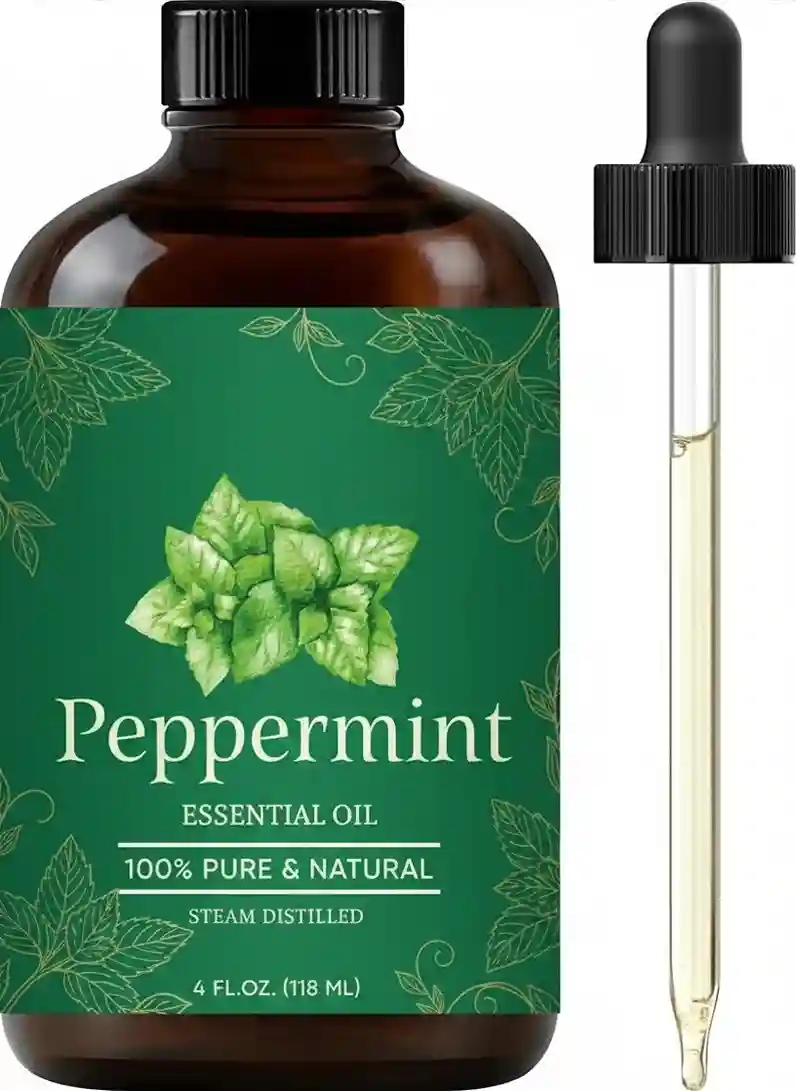
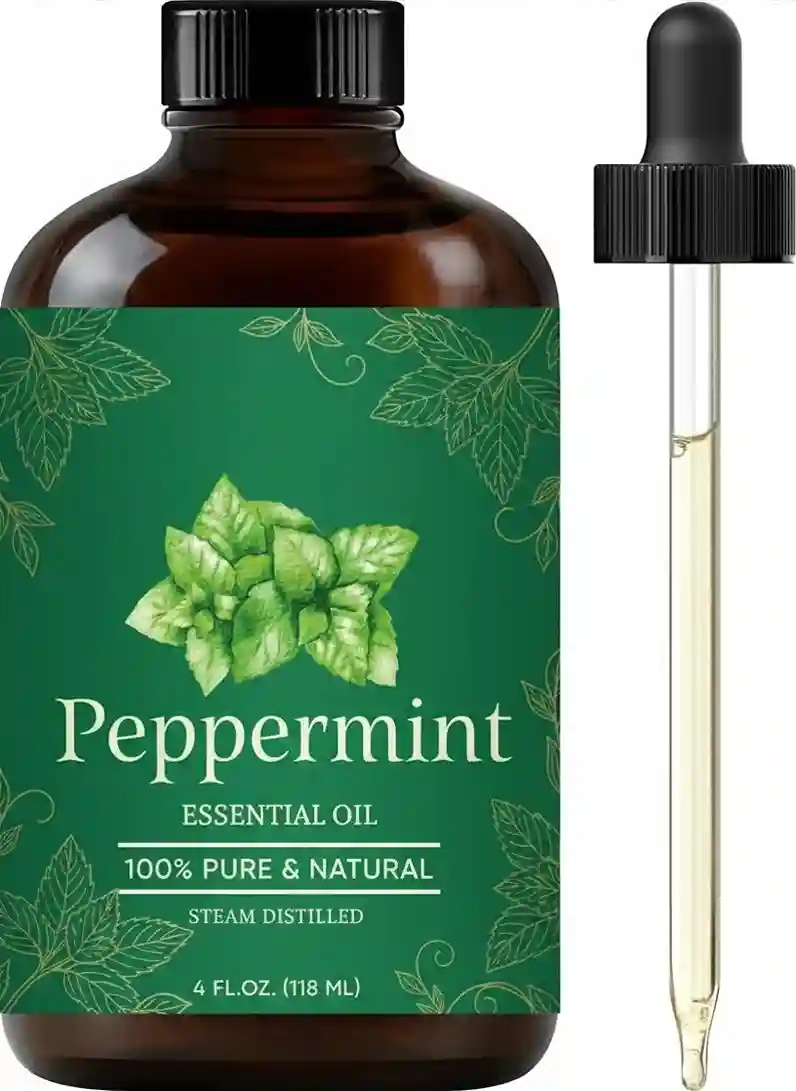
Why Choose Handcraft Blends Peppermint Essential Oil? Features, Benefits & Uses
Check Price On AmazonSome links in this article are affiliate links. If you make a purchase, I may earn a commission at no extra cost to you.
Why Do Mice Hate Certain Smells in the First Place?
Before we get to peppermint specifically, it helps to understand why smells affect mice so strongly.
Mice have an extraordinarily powerful sense of smell — estimated to be roughly 1,000 times more sensitive than a human’s. Unlike us, they rely on their nose for almost everything: finding food, detecting predators, navigating their environment, and even communicating with other mice through scent trails called pheromones.
Because their entire world is organized by smell, an overwhelming odor doesn’t just annoy a mouse — it genuinely disrupts their ability to function. They can’t find food. They can’t follow their own trails. In some cases, a powerful scent can even mimic the smell of a predator nearby, triggering a flight response.
This is why strong-smelling substances have long been explored as natural deterrents. Peppermint oil, with its intensely sharp menthol compounds, sits near the top of that list.
Does Peppermint Oil Repel Mice? What Studies Actually Show
Here’s where we need to be honest with you.
Peppermint oil contains two primary active compounds: menthol and menthone. Both are known to produce an intense, piercing aroma that overwhelms the olfactory system of rodents. When a mouse encounters a high concentration of peppermint oil, the menthol essentially floods their nose — interfering with their ability to smell anything else.
Laboratory studies have confirmed that mice will avoid areas saturated with peppermint oil. However, there are two important caveats to those findings:
- The concentrations used were extremely high — far beyond what most people apply at home.
- The effects were temporary. Once the scent fades, mice return — often more motivated than before because they can smell the food again.
A further problem: mice are highly adaptable. If they’re hungry enough, or if an infestation is already established, they will push through the discomfort of peppermint oil and move through treated areas anyway.
The verdict: Peppermint oil can act as a short-term deterrent, particularly for prevention. It is not a treatment for an existing infestation, and it is not a permanent solution on its own.
⚠️ Important: If you already have mice in your home, peppermint oil alone will not get rid of them. You need to combine scent repellents with physical exclusion (sealing entry points) and traps. Think of peppermint oil as one layer of defense, not the whole strategy.
How to Use Peppermint Oil to Repel Mice (Step-by-Step)
If you’re going to use peppermint oil, use it correctly. Most people apply far too little, in the wrong places, and then give up when it doesn’t work. Here’s how to actually make it count.
Method 1: Cotton Balls
This is the most effective and targeted approach.
- Use 100% pure peppermint essential oil — diluted or synthetic versions won’t be strong enough.
- Soak a cotton ball with 10 to 15 drops of the oil. Don’t be stingy.
- Place the cotton balls directly at entry points: gaps around pipes, under doors, behind the refrigerator, inside cabinet corners, along baseboards where you’ve seen mouse droppings.
- Replace them every 1 to 2 weeks, or sooner if the scent has faded. Once you can’t smell it strongly yourself, neither can the mouse — but 10× stronger.
Method 2: DIY Peppermint Spray
For broader coverage across floors, walls, and hard-to-reach areas:
- Fill a spray bottle with 1 cup of water.
- Add 15 drops of pure peppermint essential oil.
- Add 3 to 5 drops of dish soap (this helps the oil mix with the water instead of floating).
- Shake well and spray along baseboards, window frames, and known mouse pathways.
- Reapply every 2 to 3 days — the water solution evaporates quickly.
For a full step-by-step recipe with variations, see our DIY Mouse Repellent Spray guide.
Method 3: Essential Oil Diffuser
Running a diffuser with peppermint oil in a small, enclosed space (like a pantry or utility room) can maintain a consistent scent level. This is a convenient option, but it’s also the least efficient for larger rooms — the concentration drops off quickly over distance, and it becomes expensive to run continuously.
Quick Reference Table
| Method | Area covered | Effective duration | Reapplication |
|---|---|---|---|
| Cotton balls | Targeted spots | 1–2 weeks | Every 1–2 weeks |
| DIY spray | Surfaces & baseboards | 2–3 days | Every 2–3 days |
| Diffuser | Small enclosed rooms | While running | Continuous |
Where to Put Peppermint Oil to Keep Mice Away
Placement matters more than quantity. Scattering cotton balls randomly around a room does almost nothing. Mice follow specific routes — the same walls, the same gaps, the same pipe runs — every single time. You want to place peppermint oil directly on those routes.
Focus on:
- Under the kitchen sink — one of the most common entry and nesting spots
- Behind the stove and refrigerator — warm, dark, close to food
- Pantry corners and shelf edges — where food smells attract them most
- Around pipe penetrations — where pipes enter walls through floors or cabinets
- Window frames and door gaps — especially ground floor entry points
- Garage entry points — see our guide on keeping mice out of your garage
- Attic access points — if you’ve had activity upstairs, read how to repel mice from your attic
Common mistake: People place cotton balls in the middle of a room or in areas that look likely but aren’t actually on a mouse’s travel path. If you haven’t seen droppings or grease marks near a spot, don’t waste your cotton ball there.
Limits and Safety Warnings You Should Know
It won’t fix an infestation
This cannot be overstated. If mice are already living inside your walls or nesting in your home, peppermint oil will not evict them. At that point, you need traps, professional pest control, and — most importantly — finding and sealing every entry point.
Mice adapt
Studies confirm that mice can become accustomed to persistent smells over time. If you use peppermint oil without rotating locations or combining it with other methods, it will lose effectiveness within weeks.
It fades fast
Peppermint oil evaporates quickly — especially in warm environments. In cold temperatures (like an unheated garage in winter), it actually loses its scent almost entirely, making it useless for seasonal storage protection.
Safety around pets
Peppermint oil is toxic to cats if ingested, and can cause respiratory irritation in smaller animals. Keep cotton balls and spray well out of reach of pets. For a full breakdown of which repellents are safe around animals, see our guide on mouse repellents safe for pets and children.
High concentrations can irritate humans too
At very high doses, peppermint oil can irritate skin, eyes, and the throat. Don’t apply it to surfaces your skin will regularly contact, and ventilate the room after spraying.
Frequently Asked Questions
How long does peppermint oil keep mice away?
In ideal conditions — pure oil, high concentration, enclosed space — peppermint oil can deter mice for 1 to 2 weeks before requiring reapplication. In open or ventilated areas, the scent fades within 2 to 3 days.
Does peppermint oil kill mice or just repel them?
It only repels — it does not kill mice. Peppermint oil creates an environment mice prefer to avoid, but it does not harm or trap them. For active infestations, snap traps or bait stations are necessary.
What concentration of peppermint oil works best?
Use undiluted, 100% pure essential oil directly on cotton balls for maximum strength. For spray solutions, 15 drops per cup of water is a practical starting point for surface application.
Can mice get used to peppermint oil?
Yes. Over time, particularly with a persistent infestation, mice can habituate to consistent smells — including peppermint. This is why it works best as a rotating preventive measure, not a set-and-forget solution.
What smells repel mice better than peppermint?
Several odors are considered equal to or more effective than peppermint oil, including ammonia (which mimics predator urine), white vinegar, and garlic. For a full comparison of all the scents that mice hate, see our main guide: What Smells Do Mice Hate?
The Bottom Line
Peppermint oil is a legitimate, non-toxic tool for mouse prevention — when used correctly and consistently. It works best in enclosed spaces, applied at high concentrations, directly on known mouse routes, and refreshed every one to two weeks.
It will not solve an existing infestation. It is not a replacement for sealing entry points or setting traps. But as part of a layered approach to keeping your home rodent-free, it earns its place.
Want to build a complete scent-based defense? Start with our full breakdown: What Smells Do Mice Hate?