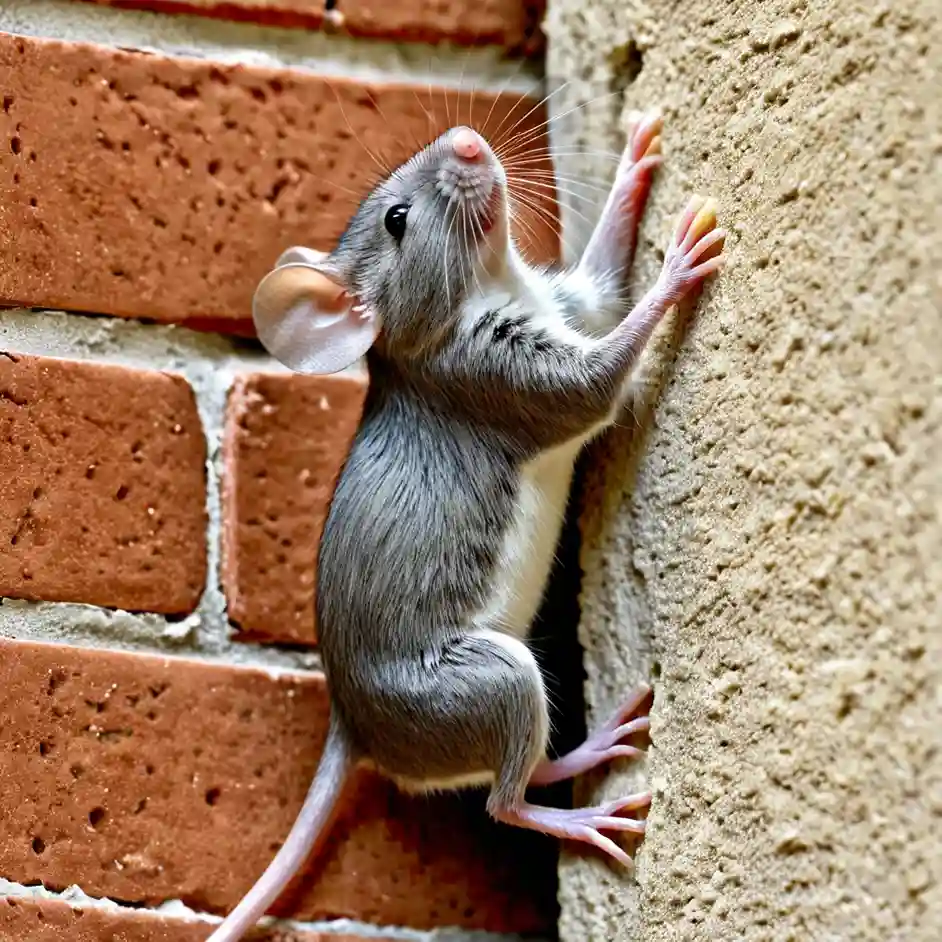
Does Bergamot Repel Mice? What You Need to Know
Does bergamot repel mice? If you’re looking for a natural, pleasant-smelling alternative to chemical pest control, bergamot essential oil keeps coming up as a potential solution. But before you start spraying it around your home, it’s worth understanding what bergamot actually is — and whether the science backs up the claim.
Bergamot is just one of many scents said to keep rodents at bay. For a full picture of what works, check out our complete resource on smells that mice hate.

What Is Bergamot Essential Oil?
Bergamot essential oil is a cold-pressed oil extracted from the rind of the bergamot orange (Citrus bergamia), a citrus fruit primarily grown in the Calabria region of southern Italy. The oil is released from tiny cells inside the fruit’s outer peel and has a distinctive scent — bright and citrusy with a subtle floral undertone, often described as a lighter, sweeter version of orange peel.
It is one of the most widely used essential oils in the world, appearing in perfumery, cosmetics, aromatherapy, and food flavoring. You may already be familiar with it without realizing it: bergamot is the ingredient that gives Earl Grey tea its characteristic aroma.
What’s Inside Bergamot Oil?
The oil’s complex chemical makeup is what gives it its potent scent. Its main components include:
- Limonene (~37%) — a terpene also found in lemon and orange peel, responsible for the citrusy top note
- Linalyl acetate (~30%) — an ester that contributes the floral, slightly sweet character
- Linalool (~9%) — an alcohol with a soft, lavender-like quality
- γ-terpinene and β-pinene — additional terpenes that round out the scent profile
This combination produces a strong, multi-layered aroma that is pleasant to humans but overwhelming to animals with far more sensitive noses — including mice. If you want to try it, Majestic Pure Bergamot Essential Oil is a 100% pure, natural option that comes with a glass dropper — ideal for the cotton ball method or DIY sprays.
Does Bergamot Repel Mice?
The short answer is: yes, but only partially and temporarily.
Mice rely heavily on their sense of smell to navigate, find food, and detect threats. Their olfactory system is significantly more powerful than ours, which means the sharp, concentrated scent of bergamot essential oil is far more intense for them than it is for us.
The limonene and linalool in bergamot oil are the key compounds thought to deter mice. Citrus-based scents are among the most commonly cited natural repellents for rodents, and bergamot’s high limonene content makes it a reasonable candidate.
However — and this is important — bergamot oil evaporates quickly, especially in warm or well-ventilated spaces. Once the scent fades, so does the deterrent effect. And if mice are already inside your home and have found a reliable food source, the smell alone is unlikely to drive them out.
Think of bergamot as a barrier aid, not a cure.
How to Use Bergamot Oil to Deter Mice
If you want to incorporate bergamot into your pest prevention routine, here’s how to do it effectively:
1. Cotton Ball Method
Soak several cotton balls in undiluted bergamot essential oil and place them near:
- Known or suspected entry points (gaps around pipes, cracks in walls)
- Under kitchen cabinets and inside drawers
- Behind appliances
- In pantry corners
Replace every 2–3 days as the scent dissipates.
2. Diluted Spray
Mix 10–15 drops of bergamot essential oil with water in a small spray bottle and apply along baseboards, entry points, and wall corners. Reapply every 1–2 days.
3. Combination with Other Deterrents
Bergamot works best when paired with other strong scents. Consider alternating with peppermint oil or using both together to create a more intense scent barrier that mice are less likely to habituate to.
Note: Bergamot oil can be irritating to pets, particularly cats, whose livers cannot process certain compounds in essential oils. Keep treated areas out of reach of animals and consult a vet before using in a home with pets.
Bergamot vs. Other Natural Mouse Repellents
Does bergamot repel mice ? How does bergamot stack up against other popular scent-based deterrents?
| Repellent | Key Compound | Effectiveness | Longevity | Pet Safe? |
|---|---|---|---|---|
| Bergamot oil | Limonene, linalool | Moderate | 2–3 days | Caution with cats |
| Peppermint oil | Menthol | Moderate | 1–2 days | Caution with cats |
| White vinegar | Acetic acid | Low-moderate | 1–2 days | Generally safe |
| Bleach | Sodium hypochlorite | Moderate | Hours | No |
| Ammonia | Ammonia gas | Moderate | Hours | No |
| Cayenne pepper | Capsaicin | Low | Days (dry) | Generally safe |
Bergamot sits comfortably in the middle of the pack — more pleasant to live with than bleach or ammonia, longer-lasting than vinegar, and with a similar effectiveness level to peppermint oil. Want to explore every option? We’ve put together a full breakdown of the smells that mice hate so you can build the most effective scent barrier for your home.
What Actually Gets Rid of Mice?
Scent deterrents like bergamot are useful preventative tools, but they won’t solve an active infestation. If mice are already in your home, you need a more direct approach:
Seal Entry Points
Mice can squeeze through a gap as small as a dime. Inspect your home carefully for:
- Cracks in the foundation or walls
- Gaps around plumbing and utility lines
- Spaces under exterior doors
- Openings around vents and dryer exhausts
Seal these with steel wool, hardware cloth, or expanding foam sealant.
Use Snap Traps
Traditional snap traps remain one of the most reliable and cost-effective solutions. Place them along walls and in dark corners — mice travel close to surfaces. Bait with peanut butter, chocolate, or nesting materials such as cotton.
Eliminate Food and Nesting Sources
Remove what’s attracting mice in the first place:
- Store dry goods in sealed airtight containers
- Clean up food crumbs immediately
- Don’t leave pet food out overnight
- Declutter storage areas — cardboard, fabric, and paper are prime nesting materials
Call a Professional
If DIY methods aren’t working or you’re dealing with a large or persistent infestation, a licensed pest control technician can assess your home, identify entry points, and apply professional-grade treatments safely.
FAQ : Bergamot and Mice
Can I use bergamot oil directly without diluting it? Yes, for the cotton ball method, undiluted oil works best as it produces a stronger scent. For sprays, dilute with water to avoid staining surfaces.
How often do I need to reapply bergamot oil? Every 2–3 days indoors, or more frequently in warm or ventilated spaces where the scent evaporates faster.
Is bergamot oil safe to use around children? Bergamot oil should be used with care around young children. Avoid applying it to surfaces children touch directly, and ensure treated areas are well-ventilated.
Will bergamot oil kill mice? No. It is a deterrent only — it may discourage mice from entering or lingering in treated areas, but it has no lethal effect.
Does bergamot work on rats too? Rats have a similarly sensitive sense of smell and may be deterred by bergamot oil, but the same limitations apply — it is a temporary measure, not a standalone solution.
The Verdict
Does bergamot repel mice? Bergamot essential oil is a legitimate, pleasant-smelling addition to a natural pest prevention strategy. Its high concentration of limonene and other volatile compounds creates a scent that mice genuinely find unpleasant. Used consistently and combined with proper exclusion techniques, it can help keep mice from entering your home.
But it won’t replace traps, sealing, and good sanitation practices — and it certainly won’t drive out an existing infestation on its own.
If you’re dealing with an active mouse problem, the best move is to combine multiple methods — and when in doubt, call a professional. For a complete guide on every scent-based deterrent available, don’t miss our full article on smells that mice hate.