Peppermint Oil for Mice: Does It Really Work as a Natural Mouse Repellent?
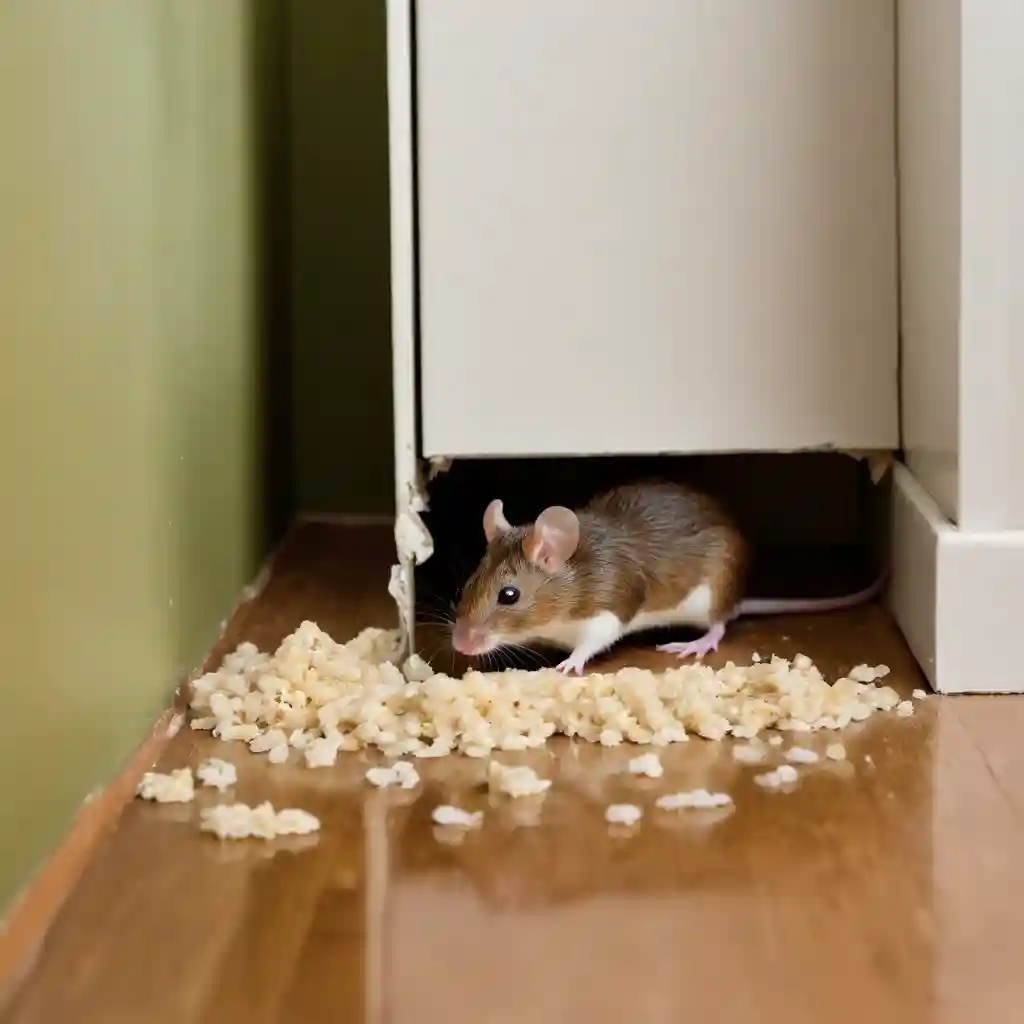
Mice infestations are one of the most common household problems, especially in kitchens, garages, cars, RVs, and basements. Homeowners are constantly searching for natural and safe solutions instead of traps or toxic chemicals. One remedy that has gained huge popularity is peppermint oil for mice.
But does peppermint oil really repel mice? Is it a myth or a proven method? How do you use peppermint oil mice repellent correctly? And how long will peppermint oil keep mice away?
In this complete HammerHandyman guide, we will explore everything you need to know about using peppermint oil for mice control — including recipes, safety tips, real reviews, myths, and expert prevention strategies.
RELATED ARTICLES :
23 Smells That Mice Hate: Instantly Repel Them From Your House
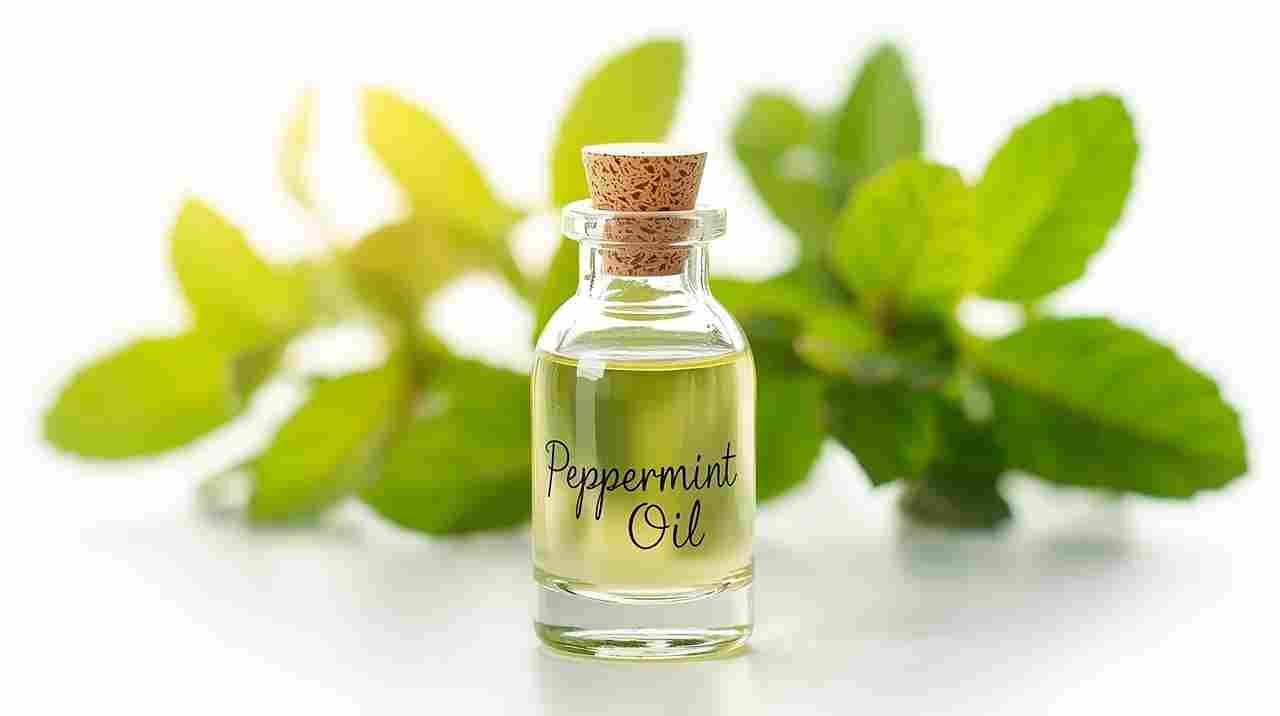
What Is Peppermint Oil and Why Is It Used for Mice?
Peppermint oil is an essential oil extracted from peppermint leaves (Mentha piperita). It contains menthol, which has a very strong smell that humans find refreshing but rodents find overwhelming.
Mice rely heavily on their sense of smell to:
- Find food
- Navigate spaces
- Detect danger
- Communicate through pheromones
The intense scent of peppermint oil interferes with these abilities, making areas treated with peppermint oil uncomfortable for mice,according to this study.”
That is why peppermint oil has become one of the most popular natural mouse repellent options.
Does Peppermint Repel Mice? (Truth vs Myth)
One of the most common questions online is:
Does peppermint oil repel mice, or is it just a myth?
Peppermint Oil Mice Myth Explained
Some people believe peppermint oil is a complete solution that eliminates mice instantly. This is a myth.
Truth:
Peppermint oil works as a deterrent, not a killer. It helps:
- Discourage mice from entering certain areas
- Mask food smells
- Make nesting locations uncomfortable
However, peppermint oil will not remove a full infestation by itself if mice are already living inside your walls.
When Peppermint Oil Works Best
Peppermint oil is most effective for:
- Early-stage mouse problems
- Preventing mice from entering
- Cars and RVs
- Kitchens and pantries
- Storage areas and garages
Why Peppermint Oil Deters Mice
The menthol in peppermint oil overstimulates a mouse’s nasal receptors. This:
- Confuses their navigation
- Disrupts pheromone trails
- Makes food harder to detect
- Creates stress and discomfort
Mice naturally avoid environments that interfere with their senses.
How to Use Peppermint Oil to Repel Mice (Best Methods)
There are several proven ways to use peppermint oil for mice control. The key is proper concentration and correct placement.
1. Peppermint Oil Mice Repellent Recipe (DIY Spray)
This is the most popular peppermint oil mice repellent recipe.
Ingredients:
- 10–15 drops of pure peppermint oil
- 1 cup water
- 1 tablespoon vinegar (optional)
- Spray bottle
Instructions:
- Mix water and peppermint oil in the spray bottle.
- Add vinegar for stronger effect (vinegar and peppermint oil for mice works well together).
- Shake before each use.
- Spray along baseboards, entry points, cabinets, and corners.
This is one of the safest and cheapest methods for indoor use.
2. Cotton Ball Method
Soak cotton balls in pure peppermint oil and place them:
- Behind appliances
- Under sinks
- In drawers
- In attic corners
- Near holes and cracks
Replace every 3–5 days.
3. Peppermint Oil for Mice in Cars
Peppermint oil for mice in car applications is very popular.
Apply peppermint oil cotton balls:
- Under seats
- In trunk
- Near air vents
- In engine compartment (away from belts)
⚠️ Warning: Peppermint oil may damage some plastics and rubber. Do not spray directly on dashboards or wiring.
4. Peppermint Oil for Mice in RVs and Garages
For RVs:
- Place cotton balls in storage compartments
- Spray entry points
- Avoid plastic surfaces
This helps prevent nesting during storage seasons.
What to Look For
Not all peppermint oils are created equal when it comes to repelling mice. For the best results, choose 100% pure essential oil with no added fragrance oils and a high menthol concentration. Organic options are even better if available. Avoid diluted oils, artificial scents, or cheap perfumes, as they are far less effective. People often search for terms like strongest peppermint oil for mice, pure peppermint oil for mice, or strong peppermint oil for mice when looking for reliable products. Using a high-quality oil ensures stronger scent and better results compared to weak store-bought sprays.
How Long Will Peppermint Oil Keep Mice Away?
This is one of the top questions online.
Answer:
Peppermint oil usually lasts:
- 2–3 days indoors
- 1–2 days in open or ventilated spaces
You must reapply regularly.
Environmental factors:
- Heat
- Airflow
- Humidity
- Dust
All reduce its effectiveness over time.
Peppermint Oil for Mice and Rats: Does It Work on Both?
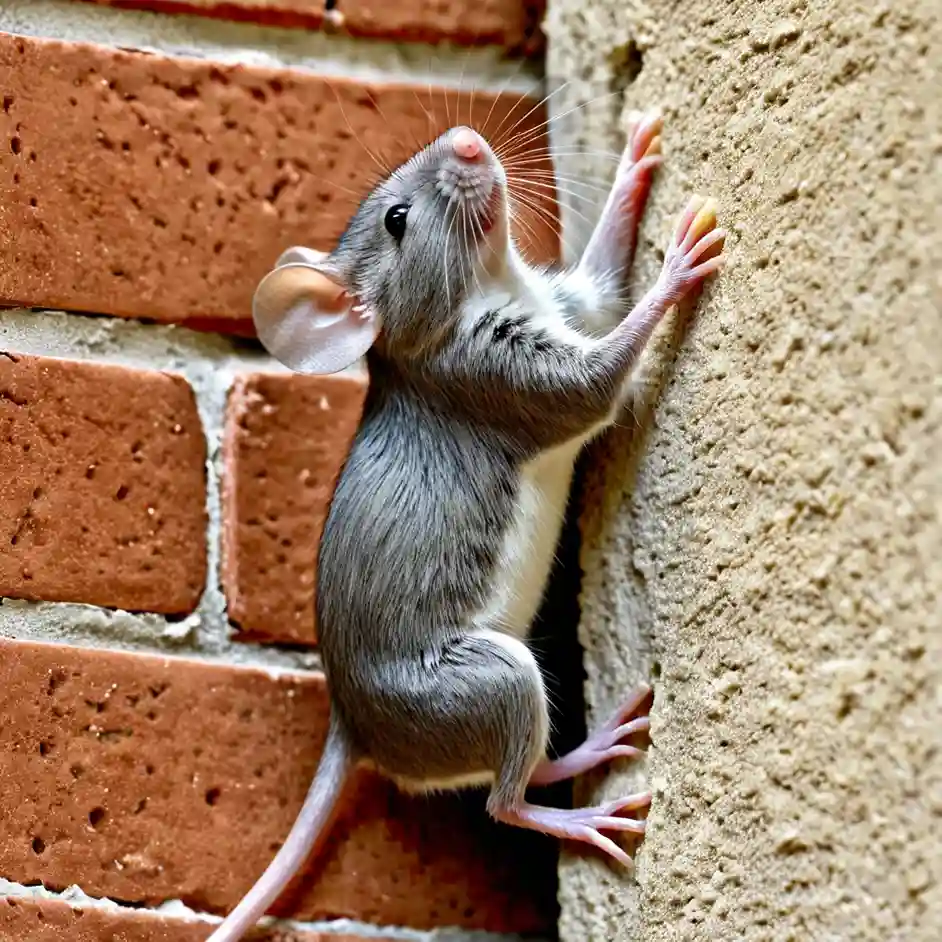
Peppermint oil can help repel different types of rodents, including house mice and field mice, and it may even discourage rats from entering certain areas. Because rats are more cautious and resistant, they usually need a stronger concentration of peppermint oil to feel its effect. For best results, peppermint oil should be used together with other methods such as sealing entry points and keeping spaces clean. It works mainly as a preventive solution rather than a way to eliminate an existing infestation. Regular reapplication is important because the scent fades quickly. Many homeowners like this method because it is natural and safer than chemical repellents. Still, patience is required to see results. Over time, consistent use can reduce rodent activity. Peppermint oil is generally more effective against mice than against rats. This makes it a helpful option for light rodent problems.
What People Say :
Online discussions and forums show mixed but generally positive results.
Common experiences:
- “Worked in my pantry”
- “Helped in my car”
- “Stopped new mice from coming in”
- “Didn’t remove an existing infestation”
Peppermint oil mice repellent reviews suggest it works best when paired with:
- Cleaning
- Sealing holes
- Traps if needed
Where to Buy Peppermint Oil for Mice
People often ask:
- Where to buy peppermint oil for mice
- Where to buy peppermint oil mice repellent
You can find it at:
- Health stores
- Hardware stores
- Online marketplaces
- Garden centers
Look for labels that say:
- 100% peppermint essential oil
- Therapeutic grade
- No additives.
Vinegar and Peppermint Oil : Does It Help?
Yes, combining vinegar with peppermint oil can make your mouse repellent even more effective. Vinegar helps by removing scent trails left by rodents, neutralizing food smells, and boosting the overall repellent effect. To make a simple spray, mix 1 cup of water with 1 cup of vinegar and add about 15 drops of peppermint oil. Shake the mixture well and spray it along entry points, baseboards, and other areas where mice are likely to travel. This combination not only enhances the peppermint scent but also helps keep your home cleaner and less inviting to rodents.
Pest Control
For best results, follow this complete plan:
Step 1: Find Entry Points
Start by carefully checking your home for any possible entry points where mice could be getting inside. Look closely for small holes and narrow gaps along walls, floors, and foundations. Pay special attention to areas around pipes, since these openings are easy for rodents to use as pathways. Doors and windows should also be inspected for cracks or spaces underneath. Even very small openings can be enough for a mouse to squeeze through. Once you find these problem areas, seal them properly using steel wool and caulk. Steel wool blocks rodents from chewing through, while caulk helps close the gaps completely. Taking time to seal these entry points is one of the most effective ways to prevent future infestations.
Step 2: Clean Food Sources
Keeping your home clean is a key step in preventing mice from coming inside. Make sure all food is stored in sealed containers so rodents cannot smell or access it easily. Crumbs on counters and floors should be cleaned up right away, especially in the kitchen and dining areas. Trash should be emptied every day to avoid attracting mice with leftover food smells. Even small bits of food can encourage rodents to stay and search for more. Developing simple daily cleaning habits can make a big difference. A tidy space removes their main reason for entering your home. Over time, this helps reduce the risk of infestations and supports other prevention methods you use.
Step 3: Apply Peppermint Oil
After preparing your peppermint oil solution, apply it using both a spray bottle and cotton balls for better coverage. Spray the mixture along baseboards, in corners, and near any areas where you have noticed mouse activity. Cotton balls soaked in peppermint oil can be placed in cabinets, under sinks, and behind appliances. This helps spread the strong scent into small and hidden spaces where mice like to hide. Be sure to replace the cotton balls every few days as the smell fades. Reapplying the spray regularly keeps the area protected. Using both methods together increases the effectiveness of the treatment.
Step 4: Monitor
Reapply every few days.
Safety Tips :
Peppermint oil is a natural solution, but it is still very strong and should be used carefully. Always keep it out of reach of pets, especially cats, as it can be harmful to them. Never ingest peppermint oil, and avoid contact with your eyes and skin. Be careful not to spray it directly on plastic surfaces or wires, as it may cause damage. If you have sensitive skin, wearing gloves while handling the oil is a good idea. Following these simple safety rules ensures you can use peppermint oil effectively without any risks.
Peppermint Oil vs Other Mouse Repellents
| Method | Effectiveness | Safety |
|---|---|---|
| Peppermint oil | Medium | High |
| Ultrasonic repellents | Mixed | High |
| Traps | High | Low |
| Poison | High | Dangerous |
| Chemical sprays | Medium | Low |
Peppermint oil is best for prevention, not elimination.
Common Mistakes to Avoid
There are some common mistakes to avoid when using peppermint oil for mice. Using fragrance oils instead of real peppermint oil reduces effectiveness, as synthetic scents don’t repel rodents. Not reapplying the oil regularly allows the scent to fade, making it less effective. Ignoring entry holes gives mice easy access despite the repellent. Expecting instant results can lead to frustration, since peppermint oil works gradually. Finally, using too little oil won’t produce a strong enough scent to deter mice. Avoiding these mistakes will make your peppermint oil efforts much more successful.
FAQ:
11. Does peppermint oil really work for mice?
Yes! Peppermint oil for mice works as a natural deterrent because mice strongly dislike its smell. As a result, it makes areas uncomfortable for them. However, it won’t instantly remove a full infestation, but it is very effective at preventing mice from entering your home or car.
2. What is the best peppermint oil?
First, look for 100% pure peppermint essential oil with high menthol content. In fact, the strongest peppermint oil for mice works better than diluted or scented oils. Additionally, organic options are safer if you have pets or children.
3. How do I use peppermint oil to repel rats?
You can use peppermint oil for mice in two main ways:
- Spray method: Mix peppermint oil with water (and vinegar if you like) in a spray bottle. Then, spray along baseboards, cracks, and corners.
- Cotton ball method: Soak cotton balls in peppermint oil. Next, place them in problem areas such as kitchens, garages, or behind appliances.
4. Can I make my own peppermint oil repellent?
Yes! You can easily make a peppermint oil mice repellent at home. For example:
- 1 cup water
- 15 drops peppermint oil
- Optional: 1 tablespoon vinegar
After mixing, pour into a spray bottle and apply to entry points or areas where mice are active.
5. Where can I buy peppermint oil repellent?
Peppermint oil for mice is widely available online and in stores. For instance, you can find it at Amazon, hardware stores, garden centers, or health stores. Make sure to choose labels that say pure peppermint essential oil or peppermint oil mice repellent.
6. Can I use peppermint oil for mice in cars or RVs?
Yes! You can place cotton balls soaked in peppermint oil under seats, in storage compartments, or near air vents. However, avoid spraying directly on plastic surfaces or wiring, because it may cause damage.
7. Does peppermint oil work on rats too?
Peppermint oil can help with rats, but it is usually more effective on mice. Since rats are larger and more cautious, they often require stronger concentrations and additional preventive steps, such as sealing entry points and keeping areas clean.
8. How long does peppermint oil keep rats away?
The scent usually lasts 2–3 days indoors. Therefore, for continuous protection, reapply the spray or replace cotton balls regularly. Moreover, combining it with cleaning and sealing holes gives much better results.
9. Is peppermint oil mice repellent safe?
Yes, when used correctly. First, keep it away from pets (especially cats). Next, avoid ingesting it and don’t spray directly on eyes or skin. If needed, use gloves for sensitive skin. Finally, do not apply it directly on plastic or wiring in vehicles.
10. Is peppermint oil a miracle solution?
Not exactly. Peppermint oil is a natural deterrent, so it works best for preventing mice, managing small infestations, and protecting areas like kitchens, pantries, cars, and RVs. In addition, pairing it with sealing holes, cleaning, and monitoring ensures the best results.
Final Verdict
Peppermint oil for mice isn’t a magic solution that will instantly remove every rodent in your home. However, when used correctly, it can be a surprisingly effective natural deterrent. In fact, it works best for preventing mice from entering in the first place and for managing small infestations before they turn into serious problems. Additionally, this method is ideal for spaces like cars and RVs, where traditional traps can be inconvenient, as well as kitchens, pantries, and other areas where chemical-free solutions are preferred.
The key to success is using peppermint oil alongside other preventive measures. For example, seal any holes or gaps, keep your home clean and free of food debris, and monitor areas where mice are most likely to appear. When combined, these steps create an environment that is uncomfortable for rodents, helping to reduce their activity without relying on harsh chemicals.
For HammerHandyman readers, peppermint oil is a safe, affordable, and eco-friendly way to control mice. Moreover, it’s easy to use, widely available, and offers a natural way to protect your home while keeping it safe for your family and pets. With consistent use and a little patience, you can keep mice at bay and maintain a cleaner, healthier living space.
Related Articles You May Find Useful:
- Learn more about when mice are active in Are Mice Nocturnal? Amazing Tips to Protect Your Home.
- Curious if mice can climb surfaces? Check out Can Mice Climb Walls? What Every Homeowner Needs to Know.
- Wondering how long rodents can survive without food? Read How Long Can Mice Live Without Food? Complete Guide for Homeowners.
- Struggling with rodents inside your walls? Our guide How to Get Rid of Mice in Walls can help.
- Protect your home with proven strategies in How to Keep Mice Out of Your House: 12 Proven Methods for Mouse-Proofing Your Home.
- Learn the surprising things that attract mice in What Attracts Mice? 10 Surprising Factors That Bring Rodents into Your Home.
- Discover scents mice hate in What Smells Do Mice Hate.