
Mouse Pest Control: How to Prevent and Get Rid of Mice
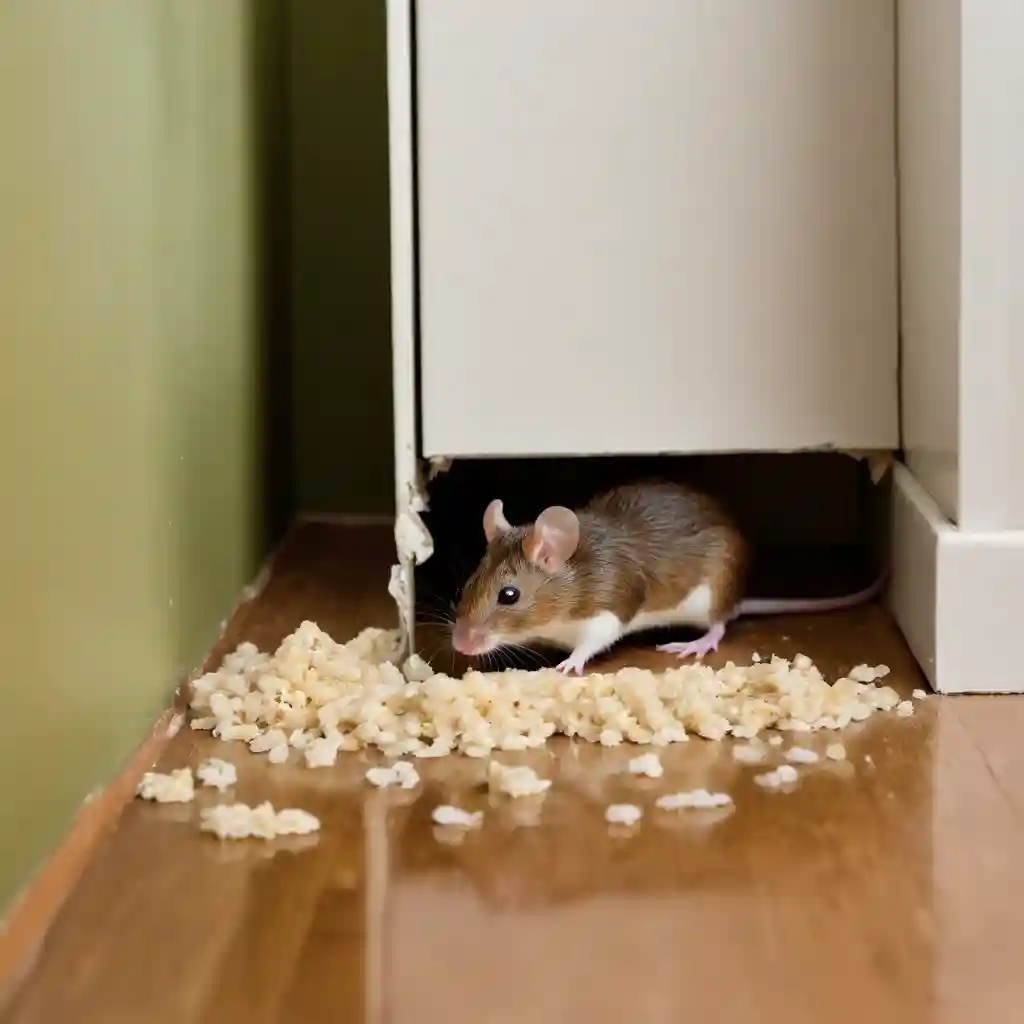
Mouse pest control starts with finding out why mice are entering your home and what is attracting them. Mice can enter a house through small gaps, find food in kitchens and storage areas, and hide in walls, attics, garages, and other quiet places. A single mouse can become a bigger problem if it finds a safe place to nest and easy access to food.
Good mouse pest control is not only about catching mice. It also means finding entry points, removing things that attract mice, and making your home harder for them to use.
If you have noticed mouse droppings, scratching sounds, gnaw marks, or damaged food packages, it is important to look for the cause of the problem.
This guide explains how to identify mouse activity, prevent mice from entering, get rid of mice, and reduce the chance of another infestation.
What Is Mouse Pest Control?
Mouse pest control is the process of preventing, identifying, controlling, and removing mice from a home or other building.
A complete mouse control plan usually includes several steps:
- Finding signs of mouse activity
- Identifying possible entry points
- Removing food and water sources
- Sealing suitable gaps and openings
- Using traps when necessary
- Cleaning areas affected by mice
- Checking the property regularly
Simply removing one mouse may not solve the problem. If other mice can still enter through the same opening, the problem can return.
For this reason, exclusion is an important part of mouse pest control. Exclusion means blocking the ways mice enter a building.
Sanitation is also important. Food crumbs, open food containers, pet food, garbage, and water can make a house more attractive to mice.
The goal is to deal with the current problem while also making the property less suitable for future mouse activity.
Signs You May Have Mice
Mice are small and often stay hidden. You may not see one directly.
Instead, look for signs that mice may be living or moving around inside your home.
Mouse droppings
Mouse droppings are one of the most common signs of mouse activity.
They are usually small, dark, and narrow. Fresh droppings may be darker and softer, while older droppings can become dry and lighter.
Check areas such as:
- Kitchen cabinets
- Pantries
- Under sinks
- Behind appliances
- Around food storage
- Garages
- Storage rooms
- Along walls
If you find droppings, avoid touching them with bare hands.
Rodent waste can contain harmful microorganisms. Clean contaminated areas carefully and follow appropriate safety precautions.
The location of the droppings can also provide clues about where mice are traveling.
Scratching noises
Scratching sounds are another possible sign of mice.
You may hear movement inside:
- Walls
- Ceilings
- Attics
- Cabinets
- Under floors
These sounds can be easier to notice at night when the house is quiet.
However, scratching sounds do not automatically mean you have mice. Other animals can make similar noises.
Look for additional evidence, such as droppings, gnaw marks, or nesting material.
Gnaw marks
Mice constantly need to wear down their teeth, so they may gnaw on different materials.
You may notice small bite marks on:
- Food packages
- Cardboard
- Wood
- Plastic
- Insulation
- Electrical wires
Pay special attention to food packaging.
A small opening in a bag or box may be evidence that mice have been looking for food.
Damaged electrical wires are also important because rodent damage can create electrical and fire hazards.
Nesting material
Mice build nests in quiet and protected areas.
They may use:
- Shredded paper
- Cardboard
- Fabric
- Insulation
- Dried plant material
- Other soft materials
Nests may be hidden behind appliances, inside walls, under cabinets, in attics, or in storage areas.
If you find nesting material together with droppings or gnaw marks, it is a stronger indication of mouse activity.
Greasy marks and tracks
Mice often move along walls and other protected routes.
Repeated movement can leave dark or greasy marks on surfaces. You may also notice small tracks in dusty areas.
Check:
- Along baseboards
- Behind furniture
- Around cabinets
- Near appliances
- Around possible entry points
These signs can help you understand where mice are traveling.
What Attracts Mice to Your House?
Mice are usually looking for a few basic things:
- Food
- Water
- Shelter
- Warmth
- A safe place to nest
Food is one of the biggest attractions.
Mice may find food in:
- Open cereal boxes
- Pet food
- Bird seed
- Garbage
- Food crumbs
- Pantry items
- Poorly sealed containers
Water can also be important.
Leaking pipes, condensation, pet water bowls, and other moisture sources can provide access to water.
Shelter is another major factor.
Clutter, cardboard boxes, insulation, stored materials, and outdoor debris can give mice places to hide.
For a detailed look at the things that attract mice, read our guide:
How Do Mice Enter a House?
Mice can enter through small openings around a building.
Common entry points include:
- Cracks in foundations
- Gaps around pipes
- Openings around cables
- Damaged door seals
- Gaps around windows
- Vents
- Roof openings
- Utility openings
- Gaps around garages
Pay special attention to places where pipes, wires, and other utilities enter the house.
Check exterior doors as well.
A damaged door sweep or gap under a door can provide an easy path inside.
Do not only inspect the kitchen.
A mouse may enter through an exterior wall, travel through a wall cavity, and eventually reach a kitchen or storage area.
Inspect the entire exterior of the building when looking for entry points.
Where Do Mice Hide?
Mice prefer quiet areas where they can stay protected from people and other animals.
Common hiding places include:
- Behind refrigerators
- Behind ovens
- Inside kitchen cabinets
- Under sinks
- Inside walls
- In attics
- Under floors
- Inside garages
- Behind stored boxes
- Near insulation
Mice may also move through wall cavities and other hidden spaces.
Their hiding place may be different from their food source.
For example, mice may nest inside a wall but travel into a kitchen at night to find food.
Understanding this movement can help you decide where to inspect and where to place traps.
How to Prevent Mice
Preventing mice is usually easier than dealing with a larger infestation.
A good prevention plan has two main goals:
- Make it harder for mice to enter.
- Make your property less attractive to mice.
Seal holes and cracks
Inspect the outside of your home for gaps and openings.
Look carefully around:
- Foundations
- Pipes
- Cables
- Doors
- Windows
- Vents
- Garages
- Roof areas
Seal appropriate openings with durable materials suitable for the location.
Do not assume that a small hole is harmless.
Mice can use surprisingly small openings to enter buildings.
Check these areas regularly because gaps can appear after weather damage, construction, or home repairs.
Store food properly
Keep food in sealed containers.
This is especially useful for:
- Cereal
- Rice
- Flour
- Pasta
- Pet food
- Seeds
- Snacks
Do not leave opened packages exposed.
Clean crumbs and food spills as soon as possible.
Also check food stored in garages, basements, and other storage areas.
Remove food sources
Regular cleaning can reduce food available to mice.
Empty garbage regularly and keep trash containers closed.
Clean under appliances and furniture where crumbs may collect.
Pet food should also be stored properly.
If pets have access to food throughout the night, consider storing the food securely when it is not being used.
Reduce clutter
Clutter gives mice more places to hide and nest.
Keep cardboard boxes, paper, fabric, and other materials organized.
Avoid large piles in:
- Attics
- Garages
- Basements
- Storage rooms
Keep stored items easy to inspect so you can notice signs of mouse activity early.
Keep outdoor areas clean
Mouse prevention also starts outside the house.
Keep grass and weeds under control around the building.
Remove unnecessary piles of:
- Wood
- Leaves
- Debris
- Cardboard
- Building materials
Avoid storing materials directly against exterior walls when possible.
Keep garbage containers closed and clean up spilled animal feed or bird seed.
These steps can reduce places where mice may find food and shelter near the house.
How to Get Rid of Mice
If mice are already inside, prevention alone may not be enough.
You need to address the mice currently inside while also reducing the chance of new mice entering.
Find and seal entry points
Start by inspecting the outside of the house.
Look for openings around:
- Doors
- Windows
- Pipes
- Cables
- Foundations
- Vents
- Roof areas
Seal suitable exterior openings after identifying them.
However, be careful about sealing an opening when mice may still be inside a wall or enclosed space.
If you block an opening without understanding how mice are moving through the building, you may not solve the underlying problem.
The goal is to stop access from outside while allowing any existing mouse-control measures to work.
Use traps
Traps can be an effective way to remove mice from a home.
Place traps in areas where there is evidence of mouse activity.
Mice often travel along walls and protected edges rather than moving across open areas.
Keep traps away from children and pets.
Follow the instructions supplied with the trap and check traps regularly.
Do not place large numbers of traps randomly throughout the house. Use signs of activity to guide placement.
Remove food and water sources
Make food and water less accessible.
Store food in sealed containers and clean crumbs and spills.
Fix leaking pipes and other sources of unnecessary moisture.
Keep pet food and animal feed securely stored.
Removing food and water can make the property less attractive, but it may not remove an established infestation by itself.
Combine sanitation with exclusion and appropriate mouse-control methods.
Deal with mice in walls
Mice can enter wall cavities and move through hidden spaces.
You may hear scratching without seeing the animal.
You may also find droppings close to walls or notice gnaw marks around openings.
Do not immediately seal every opening you find.
First determine whether the opening is an exterior entry point or an opening into an interior wall cavity.
If you suspect mice are inside the walls and cannot determine how to deal with them safely, professional pest control may be appropriate.
For a dedicated guide, see:
How to Get Rid of Mice in Walls
When to consider professional pest control
Professional pest control may be useful when:
- Mouse activity continues after repeated attempts to control it
- You hear mice inside walls or ceilings
- There are many signs of activity
- You cannot find the entry points
- Mice keep returning
- There is extensive contamination
- You are not comfortable handling traps or rodent waste
A professional can inspect the property and help identify entry points, nesting areas, and other conditions contributing to the problem.
Do Mouse Repellents Work?
Mouse repellents are commonly used to discourage mice from entering or staying in certain areas.
Some strong smells may make an area less attractive to mice. However, repellents should not be considered a guaranteed way to remove an established infestation.
If mice have access to food, water, shelter, and an easy way into the building, changing the smell of an area may not solve the problem.
Repellents are better viewed as a possible supporting measure.
The main focus should remain on exclusion, sanitation, monitoring, and appropriate removal.
Peppermint oil
Peppermint oil is one of the most commonly discussed natural mouse repellents.
Its strong smell may discourage mice from certain areas for a period of time.
However, peppermint oil does not seal holes or remove food sources.
If you want to learn more, read:
[Does Peppermint Oil Repel Mice?]
Cedar
Cedar oil has a strong natural smell and is often suggested as a mouse deterrent.
this products may be used around areas where mouse activity has been noticed.
However, cedar should not be treated as a replacement for sealing entry points and removing food sources.
Vinegar
Vinegar has a strong smell and is sometimes used as a household mouse deterrent.
The smell may make certain areas less attractive temporarily.
However, vinegar does not remove an infestation or prevent mice from entering through a gap.
See:
Lavender
Lavender is another scent sometimes used to discourage mice.
Some homeowners place lavender products in areas where mice have been noticed.
However, the effect can vary, and a strong scent is unlikely to solve an established mouse problem by itself.
For more information, see:
Eucalyptus
Eucalyptus oil is also commonly discussed as a natural mouse deterrent.
Its strong smell may make some areas less attractive to mice.
Like other scented repellents, it should be considered a supporting method rather than the main solution.
See:
Does Eucalyptus Oil Repel Mice?
Other scents
Other smells commonly discussed for mouse deterrence include:
- Bergamot
- Cinnamon
- Clove
- Ammonia
- Cayenne pepper
The response to these scents can vary.
If you use scented products, combine them with more important control measures such as sealing entry points, storing food properly, cleaning regularly, and reducing clutter.
For a broader look at mouse-deterring scents, read:
How to Keep Mice From Coming Back
Removing mice is only part of mouse pest control.
You also need to reduce the conditions that allowed them to enter in the first place.
Use a regular inspection and prevention routine.
1. Inspect the exterior
Check foundations, doors, windows, vents, pipes, cables, and other possible entry points.
2. Keep food sealed
Store food in containers with secure lids.
Do not leave food or pet food exposed.
3. Clean regularly
Remove crumbs, spills, and food residue.
Pay attention to areas behind and under appliances.
4. Keep garbage closed
Use containers with secure lids and avoid leaving food waste exposed.
5. Reduce outdoor shelter
Remove unnecessary piles of wood, debris, leaves, and other materials close to the building.
6. Maintain doors and windows
Repair damaged screens, seals, and door sweeps.
7. Check storage areas
Inspect garages, basements, attics, and storage rooms regularly.
Early detection can make mouse control easier.
8. Monitor for new signs
Continue looking for droppings, gnaw marks, scratching sounds, and nesting material even after mouse activity appears to have stopped.
Mouse Pest Control FAQ
What is the fastest way to get rid of mice?
The time required depends on the size of the infestation, the number of entry points, and where the mice are hiding.
Start by identifying signs of activity and possible entry points. Remove accessible food and water, use appropriate traps, and address entry points.
If activity continues or the infestation is extensive, professional pest control may be needed.
How do I know if I have mice?
Look for droppings, scratching sounds, gnaw marks, nesting material, greasy marks, tracks, and damaged food packaging.
One sign alone may not confirm an infestation. Several signs in the same area provide stronger evidence of mouse activity.
What attracts mice?
Mice are attracted to accessible food, water, shelter, warmth, and safe nesting areas.
Food crumbs, pet food, garbage, bird seed, leaks, clutter, and openings around a building can all contribute to mouse activity.
Read What Attracts Mice? for more information.
Can mice climb walls?
Mice can climb some rough or textured surfaces.
They may also use pipes, cables, furniture, and other structures to reach higher areas.
Their ability to climb depends on the surface.
Read Can Mice Climb Walls? for a more detailed explanation.
What smells do mice hate?
Strong scents commonly discussed as mouse deterrents include peppermint, cedar, eucalyptus, lavender, cinnamon, clove, and other strong-smelling substances.
However, scents should not be considered a guaranteed solution for an infestation.
Read What Smells Do Mice Hate? for a detailed look at different scents.
How do I keep mice out of my house?
The most important steps are to seal entry points, store food properly, remove accessible food sources, reduce clutter, keep outdoor areas clean, and inspect the building regularly.
Pay special attention to small openings around pipes, cables, doors, windows, foundations, and vents.
If mice continue to enter despite these measures, look for hidden entry points or consider professional pest control.
Conclusion
Mouse pest control works best when you deal with both the mice and the conditions that attract them.
Start by looking for signs such as droppings, scratching noises, gnaw marks, nesting material, and greasy tracks.
Then inspect your home for possible entry points. Seal suitable gaps, store food securely, remove accessible food and water, reduce clutter, and keep outdoor areas clean.
Traps can help remove mice that are already inside. Strong-smelling substances such as peppermint oil, cedar, vinegar, lavender, and eucalyptus may be used as supporting deterrents, but they should not replace basic mouse-control methods.
The most important long-term steps are exclusion, sanitation, monitoring, and safe removal.
By making your home harder for mice to enter and less attractive once they are outside, you can reduce the risk of repeated mouse problems.
Mouse Pest Control FAQ
How do I get rid of mice quickly?
The most effective approach is to combine trapping with sealing entry points. Place traps in areas where you see mouse activity, then inspect your home for gaps and holes where mice may be entering. Remove accessible food, water, and nesting materials as well.
For more removal methods, see our guide on How to Get Rid of Mice in Walls.
How do I keep mice out of my house permanently?
There is no single method that guarantees mice will never return. The best long-term approach is to seal possible entry points, store food properly, remove food and water sources, reduce clutter, and regularly inspect your home.
Read our complete guide on How to Keep Mice Out of Your House for more prevention tips.
How do I keep mice out of my house naturally?
Start with prevention rather than relying only on scents or home remedies. Seal holes and cracks, keep food in tightly closed containers, clean spills quickly, store pet food properly, and remove clutter that can provide hiding places.
You can also learn more about natural prevention methods in How to Keep Mice Out of Your House.
What is the best home remedy to get rid of mice?
Many home remedies are discussed online, including peppermint oil and other strong-smelling substances. However, these methods do not replace exclusion and trapping.
If you want to learn about commonly used scents, read What Smells Do Mice Hate?.
What scent will keep mice away?
Peppermint, cedar, eucalyptus, lavender, and other strong scents are commonly used to discourage mice. Their effectiveness can vary, and a scent alone is unlikely to solve an established infestation.
See What Smells Do Mice Hate? for a detailed look at different scents and their limitations.
How do I know if I have mice?
Look for small droppings, scratching sounds, gnaw marks, nesting material, greasy marks, damaged materials, and unusual activity at night.
You may notice signs before you actually see a mouse. Check different areas of the home for evidence of mouse activity.
Can one mouse mean there are more?
Seeing one mouse does not prove that you have a large infestation. However, it is a good reason to inspect your home for additional signs and possible entry points.
You can also learn about mouse behavior in Can Mice Climb Walls?.
How do mice get into a house?
Mice can enter through small gaps around doors, windows, pipes, vents, utility lines, foundations, and other openings. They can also use gaps behind appliances and inside cabinets.
Finding and sealing these entry points is an important part of mouse prevention. See How to Keep Mice Out of Your House.
How does pest control get rid of mice in walls?
A mouse pest control professional may inspect the property for mouse activity and entry points, then use appropriate control methods to deal with mice that are already inside.
If you suspect mice are living inside your walls, read How to Get Rid of Mice in Walls.
What would a pest control professional do about mice?
A professional mouse pest control may inspect the property, identify signs of activity, locate potential entry points, and recommend trapping, exclusion, or other control measures based on the situation.
The exact service can vary depending on the property and the extent of the problem.
How do I get rid of mice in walls without making the problem worse?
First, identify where the mice are entering and where they are active. Do not simply seal an opening if mice may still be trapped inside an enclosed area.
For a step-by-step guide, see How to Get Rid of Mice in Walls.
Do mouse traps really work?
Yes. Traps can be an effective way to remove mice that are already inside the home. Placement is important because mice often travel along walls and protected areas.
If mice continue to appear, look for unresolved entry points and other attractants.
What attracts mice to a house?
Mice are attracted to accessible food, water, shelter, and places where they can build nests. Common attractants include spilled food, pet food, garbage, bird seed, clutter, and outdoor debris.
For a detailed explanation, read What Attracts Mice?.
How do I stop mice from coming back?
Seal entry points, keep food in sealed containers, clean spills quickly, remove outdoor clutter, and continue checking for signs of activity.
For more prevention methods, see How to Keep Mice Out of Your House.