How to Start a Garden: The Complete Beginner’s Guide (2026)
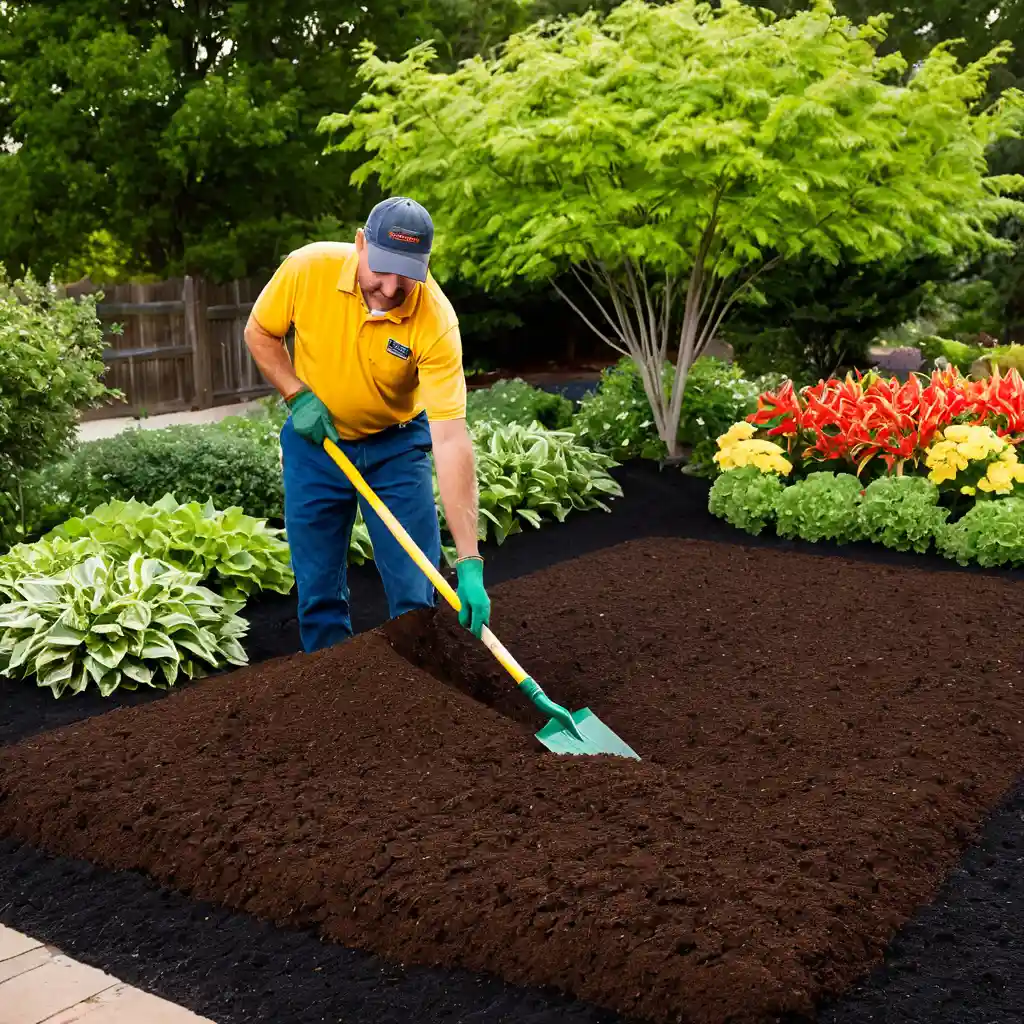
If you want to start a garden but have no idea where to begin, you are in exactly the right place. Learning how to start a garden from scratch is one of the most rewarding things a homeowner can do — and it is far simpler than most beginners expect. Plants want to grow. Your job is simply to give them the right conditions and get out of their way. Whether you have a full backyard, a small patio, or a few pots on a windowsill, this step-by-step guide covers everything you need to get growing. For more home and outdoor tips, explore our home improvement blog.
           6 hrs
Min. daily sunlight
for most vegetables
       4–6 wks
Before last frost to
 start seeds indoors
           3×3 ft
Ideal starter bed size
 for beginners
Step 1: Why you should start a garden small
Foundation
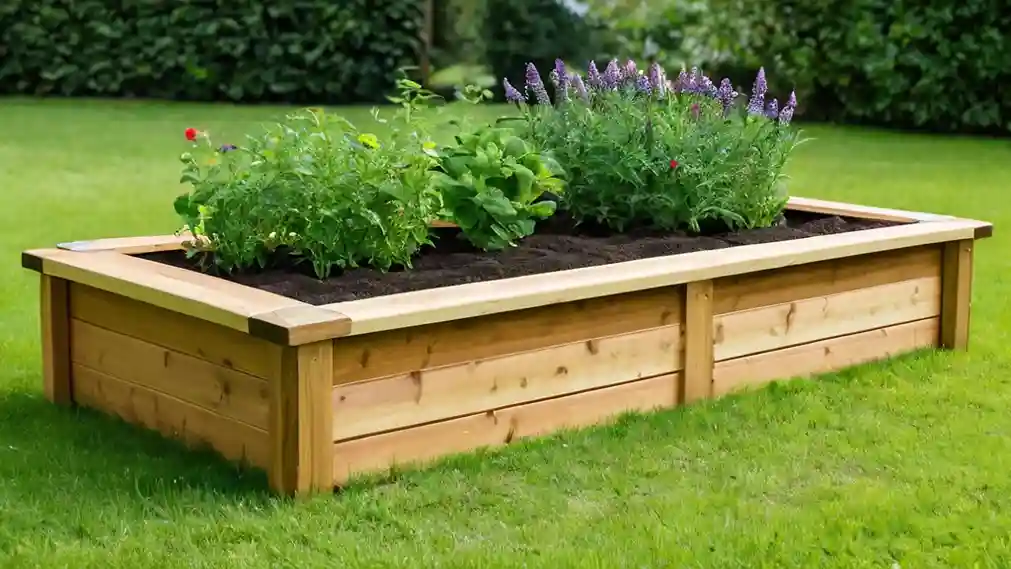
The single biggest mistake people make when they first decide to start a garden is going too large too fast. An ambitious 20-foot plot sounds exciting in January but becomes an exhausting weeding nightmare by July. A modest 3×3 or 4×4-foot raised bed — or even two or three large containers — is the ideal starting point for any beginner.
Starting small means lower costs, less physical labor, and a much higher chance of success in your first season. You will learn what works in your specific climate, soil, and light conditions without being overwhelmed. Once you have had a successful first season, expanding is easy. Think of year one as a low-stakes practice run with a very high payoff. For ideas on how to scale up, read our guide to raised bed garden designs for any backyard.
Beginner tip

Container gardening is a perfect way to start a garden with zero ground prep. A single 5-gallon pot can produce a full crop of tomatoes, peppers, lettuce, or herbs — and you can reposition it to follow the sun throughout the day.
Step 2: How to choose the best location to start your garden
Critical step
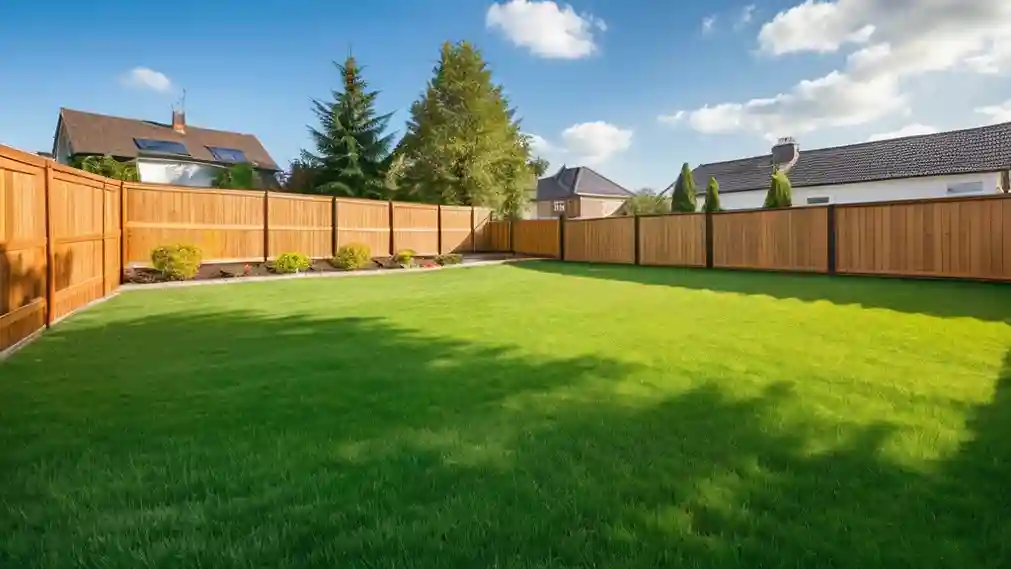
Location is the single most important decision you will make when you start a garden. No amount of great soil, great seeds, or careful watering will compensate for a shady spot. Most vegetables and herbs need at least 6 hours of direct sunlight per day — 8 hours produces the best yields. Before you break ground, spend two or three days simply observing your outdoor space at different times of day to map out where the sun falls.
- Sunlight: 6–8 hours of direct sun per day for vegetables; leafy greens like lettuce and spinach can tolerate 4–5 hours
- Water access: Choose a spot within easy reach of a hose or outdoor tap — you will water far more consistently when it is convenient
- Level ground: Avoid slopes where water runs off before it has a chance to soak in
- Drainage: Avoid low-lying areas where water pools after rain — waterlogged roots rot quickly
- Away from large trees: Tree roots aggressively compete for water and nutrients, and the canopy creates unwanted shade
- Proximity to the kitchen: The closer your garden is to your back door, the more often you will visit, harvest, and tend to it.
Observe before you dig

Use a free sun-tracker app on your phone to measure the exact hours of sunlight hitting your chosen spot before committing to building or planting anything.
Step 3: Decide what to grow when you start a garden
Planning
Grow what you actually eat. It sounds obvious, but many beginners plant whatever seems easiest rather than what they genuinely enjoy cooking with. When you start a garden, narrow your list to 3–5 crops you reach for at the grocery store every week. Below are the most beginner-friendly vegetables and herbs, grouped by difficulty.
Very easy

Lettuce & greens

Ready in 30–45 days. Tolerates partial shade. Can be cut-and-come-again.
Very easy

Radishes

Harvest in as few as 21 days. Great first crop for kids and beginners.
Very easy

Green beans

Direct sow after frost. Minimal care, reliable yields, no staking needed.
Very easy

Herbs (basil, chives, mint)

Thrive in small pots. Harvest weekly for maximum flavor and regrowth.
Moderate

Cherry tomatoes

More forgiving than large varieties. Prolific harvest all summer long.
Moderate

Zucchini & squash

Fast growing and productive. Harvest often to keep the plant producing.
Moderate

Cucumbers

Loves warm weather. Needs consistent watering. Train up a trellis to save space.
Moderate

Kale & Swiss chard

Hardy, cold-tolerant, and highly nutritious. Harvest outer leaves continuously.
Moderate

Peppers

Start indoors early. Loves heat. Rewarding once established in summer.
Think local and seasonal

What grows best depends on your climate zone and local frost dates. The USDA National Agricultural Library provides free, region-specific vegetable gardening guidance that is invaluable for beginners.
Step 4: Pick the right type of garden bed
Setup
How to start a garden in raised beds
The most popular way to start a garden for beginners. You fill raised beds with quality soil, drainage is excellent, weeds are easier to control, and they warm up faster in spring. A 4×8-foot raised bed made from untreated wood is the classic beginner choice.
In-ground garden beds
The traditional approach. Works well if you have decent native soil. You’ll need to dig and amend the existing soil before planting. Best for large spaces and sprawling crops like corn, melons, and squash.
How to start a garden in pots or containers
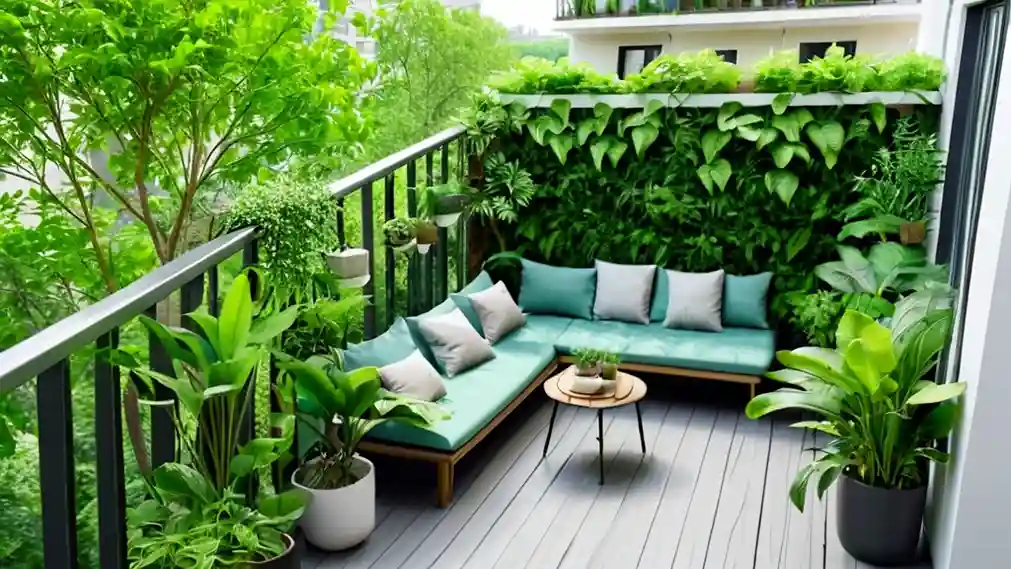
Ideal for balconies, patios, or any space without ground access. Use pots at least 12 inches deep for most vegetables, and 18–24 inches for tomatoes and peppers. Every container must have drainage holes.
Avoid this mistake

Don't use regular garden soil in containers or raised beds — it compacts and drains poorly. Use a dedicated potting mix or a blend of compost, perlite, and topsoil.
Step 5: Prepare your soil before you start a garden
The foundation of everything
Experienced gardeners repeat this phrase endlessly because it is true: feed the soil, and the soil will feed your plants. Before you start a garden, the most valuable investment you can make is improving your soil. No fertilizer or pesticide can fully compensate for poor soil quality.
Start by testing your soil. Many garden centers and hardware stores carry affordable home test kits that measure pH and basic nutrient levels. Most vegetables thrive in a pH of 6.0–7.0 (slightly acidic to neutral). If your soil tests too acidic, add agricultural lime. If it tests too alkaline, work in elemental sulfur. For authoritative regional guidance, the UGA Cooperative Extension offers free resources on soil preparation.
- Test your soil pH before spending money on amendments — knowing your baseline saves a lot of guesswork
- Add 2–4 inches of compost and work it into the top 12 inches of soil — compost improves drainage in clay, adds moisture retention in sand, and feeds beneficial microbes
- Never compact the soil — always work from the edges of your bed and never stand on planting areas
- For raised beds: fill with a mix of 60% quality topsoil, 30% compost, and 10% perlite or coarse sand
- For containers: use a premium potting mix — never garden soil, which compacts in pots
- Consider a cover crop in fall (clover, winter rye) to protect and enrich soil between growing seasons
Free compost tip

Start a compost bin alongside your garden using kitchen scraps (vegetable peels, coffee grounds, eggshells) and yard waste. Within 3–6 months you will have rich, free compost to continuously feed your beds.
Step 6: How to start a garden from seed or transplant
Planting time
Once your soil is ready, it is time to plant — and timing matters enormously when you start a garden. The single most important date in your gardening calendar is your local last frost date. Plant too early and a late frost kills your seedlings overnight. Plant too late and summer heat arrives before your cool-season crops have finished.
| Crop type | When to start indoors | When to transplant/direct sow | Difficulty |
|---|---|---|---|
| Tomatoes, peppers, eggplant | 6–8 weeks before last frost | 2 weeks after last frost | Moderate |
| Onions, leeks | 10–12 weeks before last frost | 4 weeks before last frost | Moderate |
| Lettuce, spinach, kale | 4–6 weeks before last frost | 2–4 weeks before last frost | Easy |
| Cucumbers, squash, melons | 3–4 weeks before last frost | 1–2 weeks after last frost | Moderate |
| Beans, peas, radishes, carrots | Direct sow only | Around last frost date | Easy |
| Herbs (basil, parsley, dill) | 4–6 weeks before last frost | After last frost, full sun | Easy |
When planting seedlings or transplants, follow spacing instructions on the seed packet precisely. Crowded plants compete for light, water, and nutrients — the result is smaller yields and increased disease. After planting, water gently and thoroughly, then apply a 2-inch layer of mulch (straw, wood chips, or shredded leaves) around — but not touching — the base of each plant.
Seed vs. transplant: which is better?

Buying nursery transplants is more expensive but reduces risk and saves 4–8 weeks of growing time — ideal for beginners. Growing from seed gives you access to hundreds of varieties and costs far less. Start with transplants for tomatoes and peppers; direct sow for beans, carrots, and radishes.
Step 7: Water correctly after you start a garden
Ongoing care
Overwatering is the number-one killer of garden plants — more so than drought, pests, or disease combined. The goal is consistent, even moisture, not saturated soil. Most vegetables need approximately 1 inch of water per week, whether from rainfall or irrigation. In the height of summer that may increase to 1.5–2 inches per week.
The simplest way to check is the finger test: push your index finger 2 inches into the soil near the base of a plant. If the soil feels dry at that depth, it is time to water. If it still feels moist, wait another day and check again.
- Water deeply and infrequently — 1–2 deep watering sessions per week encourages roots to grow downward rather than staying shallow
- Water at the base, not the foliage — wet leaves invite fungal diseases like powdery mildew and early blight
- Water in the morning — soil absorbs water before midday heat evaporates it, and any splashed leaves dry before nightfall
- Use a soaker hose or drip system — delivers water directly to the root zone and reduces evaporation by up to 50%
- Mulch generously — a 2-inch layer of straw or wood chips reduces water loss dramatically and cuts watering frequency in half
- Container plants need daily attention — pots dry out far faster than ground beds, especially in summer heat
Signs of overwatering

Yellow leaves, wilting despite wet soil, and a musty smell around roots are all signs you are watering too much. Let the soil dry out for a few days before resuming.
Step 8: Managing weeds and pests in your garden
Maintenance
Every garden has weeds and pests — the goal is not elimination but management. Catching both early makes the job far easier and avoids the need for chemical intervention.
How to control weeds when you start a garden
The best weed strategy is prevention. A consistent 2-inch layer of organic mulch (straw, shredded leaves, wood chips) blocks most weed seeds from ever germinating. For weeds that do appear, pull them while they are small — before they set seed and multiply. Weed after rain or watering when the soil is soft, so roots come out cleanly.
Managing common garden pests naturally
Most pest problems in a beginner’s garden are manageable without chemicals. Inspect your plants at least twice a week, checking the undersides of leaves where insects hide and lay eggs. Many common pests — aphids, caterpillars, squash bugs — can be removed by hand or knocked off with a strong jet of water from a hose.
- Aphids: Spray with water or apply diluted neem oil to affected leaves
- Caterpillars & hornworms: Pick off by hand; use Bacillus thuringiensis (Bt) spray as a safe biological control
- Slugs & snails: Set beer traps at soil level; apply diatomaceous earth around plant bases
- Squash vine borers: Use row covers early in the season; rotate squash family crops each year
- Fungal disease: Improve air circulation by proper spacing; always water at the base; remove and dispose of infected leaves immediately
Attract beneficial insects

Plant marigolds, zinnias, dill, and fennel near your vegetables. These flowers attract ladybugs, lacewings, and parasitic wasps — natural predators that keep aphid and caterpillar populations in check.
Step 9: Your seasonal garden calendar
Year-round planning
Knowing what to do and when is what separates a productive garden from a struggling one. Here is a simplified four-season overview to help you plan your first full year after you start a garden.
| Season | Key tasks | What to plant |
|---|---|---|
| Spring | Test and amend soil. Build or prepare beds. Start seeds indoors. Harden off transplants. | Lettuce, spinach, peas, onions (direct sow); tomatoes, peppers (transplant after last frost) |
| Summer | Water consistently. Mulch heavily. Harvest frequently. Watch for pests. Feed with compost tea. | Beans, cucumbers, squash, basil. Direct sow a second lettuce crop in a shaded spot. |
| Fall | Pull spent warm-season plants. Plant cool-season crops. Add compost to spent beds. | Kale, Swiss chard, garlic (for spring), cover crops (clover, winter rye) |
| Winter | Plan next year’s layout. Order seeds early (best varieties sell out). Maintain tools. | Plan on paper. Start onion and leek seeds indoors in late winter (January–February). |
Step 10: Essential tools to start a garden
Equipment
You do not need expensive equipment when you first start a garden. A small core set of quality tools will serve you for years. Buy the best you can afford — cheap tools bend, break, and make every task harder than it needs to be.
🪴  Hand trowel

For transplanting seedlings, digging small holes, and weeding close to plants.
🌿  Garden fork

Loosens compacted soil and works in compost without damaging soil structure.
💧 Watering can or hose

A hose with an adjustable nozzle or a long-neck watering can for precise delivery at the root zone.
🌱 Hoe or stirrup hoe

Makes quick work of shallow weeds between rows. A stirrup hoe cuts on both push and pull strokes.
📏 Measuring tape & stakes

For proper plant spacing — one of the most overlooked steps when starting a garden.
🧤 Gardening gloves

Protect hands from thorns, splinters, and soil-borne pathogens. Choose fitted, breathable fabric.
🪣 Soil thermometer

Soil temperature matters as much as air temperature. Most seeds germinate best at 65–75°F (18–24°C).
📓 Garden journal

Record what you plant, when, where, and what worked. Your future self will thank you enormously.
Step 11: Common beginner mistakes to avoid
Learn from others
Understanding what goes wrong is just as valuable as knowing what to do right. Here are the most common mistakes made by those who start a garden for the first time.
- Starting too large :
Ambition is great, but a small, well-managed bed produces more food and more satisfaction than a large, neglected plot. Start with 3×3 or 4×4 feet and expand next year.
- Ignoring soil quality :
Dumping seeds into hard, depleted soil and hoping for the best is a recipe for failure. Always test and amend your soil with compost before planting anything.
- Overwatering :
More plants die from overwatering than from drought. Always check soil moisture before reaching for the hose. Root rot is irreversible — prevention is the only cure.
- Planting at the wrong time :
Planting warm-season crops too early (before the last frost) or cool-season crops too late (in midsummer heat) leads to crop failure. Always check your local frost dates first.
- Skipping the mulch :
Mulch is one of the highest-return investments in gardening. It retains moisture, suppresses weeds, moderates soil temperature, and feeds the soil as it breaks down. Always mulch after planting.
- Not harvesting regularly :
Many crops — zucchini, beans, cucumbers — signal the plant to stop producing new fruit when existing ones are left to over-mature. Harvest frequently to maximize your total yield.
Step 12: How to harvest your garden and enjoy the results
The reward
Harvesting is the most satisfying moment in any garden journey — and doing it correctly ensures your plants keep producing all season long. The general rule: harvest early and harvest often. Leaving produce on the plant too long signals it to stop flowering and shift energy into ripening seeds, which dramatically reduces future yield.
- Tomatoes: Pick when fully colored and slightly soft to the touch. They will continue ripening on your countertop if needed.
- Zucchini & cucumbers: Harvest at 6–8 inches — they become tough, seedy, and bitter if left to grow large.
- Beans: Pick before the bean inside has fully swollen the pod. Check plants every 2–3 days during peak production.
- Lettuce & greens: Use the cut-and-come-again method — remove outer leaves only and the plant will keep producing for weeks.
- Herbs: Harvest before the plant flowers (bolts). Pinch off flower buds to extend the productive life of basil, cilantro, and dill.
- Peppers: Can be harvested green (earlier, crisp) or left to fully ripen to red, orange, or yellow (sweeter, more nutritious).
At the end of the growing season, do not abandon your beds. Remove spent plants, pull any remaining weeds, and spread 2–3 inches of fresh compost over all your beds. This single end-of-season task sets your garden up for a faster, more productive start next spring.
Frequently asked questions about how to start a garden
What is the best way to start a garden for beginners?
The best way to start a garden as a beginner is to think small and simple. Choose a sunny spot, prepare the soil with compost, select 3–5 easy crops you enjoy eating (lettuce, herbs, cherry tomatoes), and plant after your last frost date. A single 4×4-foot raised bed is more than enough to learn the fundamentals and enjoy a real harvest in your first season.
How do I start a vegetable garden in my backyard from scratch?
To start a vegetable garden from scratch: (1) choose a spot with 6+ hours of direct sun, (2) test and amend your soil with 2–4 inches of compost, (3) build or mark out a bed no larger than 4×8 feet, (4) plant after your last frost date, and (5) water consistently at the base of plants. Keep it simple in year one — two or three crops done well beats ten crops done poorly.
How do I start a garden in pots or on a balcony?
To start a garden in containers, use pots at least 12 inches deep (18–24 inches for tomatoes and peppers) with drainage holes, filled with premium potting mix — never garden soil. Position pots where they receive maximum daily sunlight. Water daily in summer, as containers dry out fast. Excellent crops for container gardens include herbs, lettuce, cherry tomatoes, peppers, and dwarf cucumbers.
Is October too late to start a garden?
In most temperate climates, October is too late for warm-season crops. However, it is an excellent time to plant garlic for a spring harvest, sow hardy cool-season greens like kale and spinach (with frost protection), and sow a cover crop (winter rye or clover) to protect and enrich your beds over winter. It is also a great time to add compost and prepare your beds so you can start a garden earlier next spring.
How much does it cost to start a garden?
A basic container garden can be started for as little as $30–$50 (pots, potting mix, a few seed packets or transplants). A small raised bed setup typically costs $80–$200 depending on materials and soil. In-ground beds are the least expensive to build but may require soil amendment costs. The investment pays back quickly — a productive vegetable garden can save a family hundreds of dollars annually on groceries.
What vegetables are easiest to grow for beginners?
The easiest vegetables to grow when you start a garden are lettuce, radishes, green beans, zucchini, and herbs like basil and chives. These crops are fast-growing, tolerant of beginner mistakes, and produce satisfying results in a short amount of time. Cherry tomatoes are slightly more demanding but are among the most rewarding crops for first-time gardeners.
How do I know when to water my garden?
The most reliable method is the finger test: push your index finger 2 inches into the soil near the base of your plants. If the soil feels dry at that depth, it is time to water. If it still feels moist, wait and check again the following day. Most vegetables need about 1 inch of water per week from rain or irrigation — more in hot weather, less in cool cloudy periods.
Ready to start a garden?

Starting a garden doesn't require a big space, a large budget, or years of experience. It takes a sunny spot, decent soil, a handful of plants you actually want to eat, and the patience to let nature do its work. Start small this season — and chances are, you'll be planning a much bigger garden before winter arrives.